
Gleichstrom
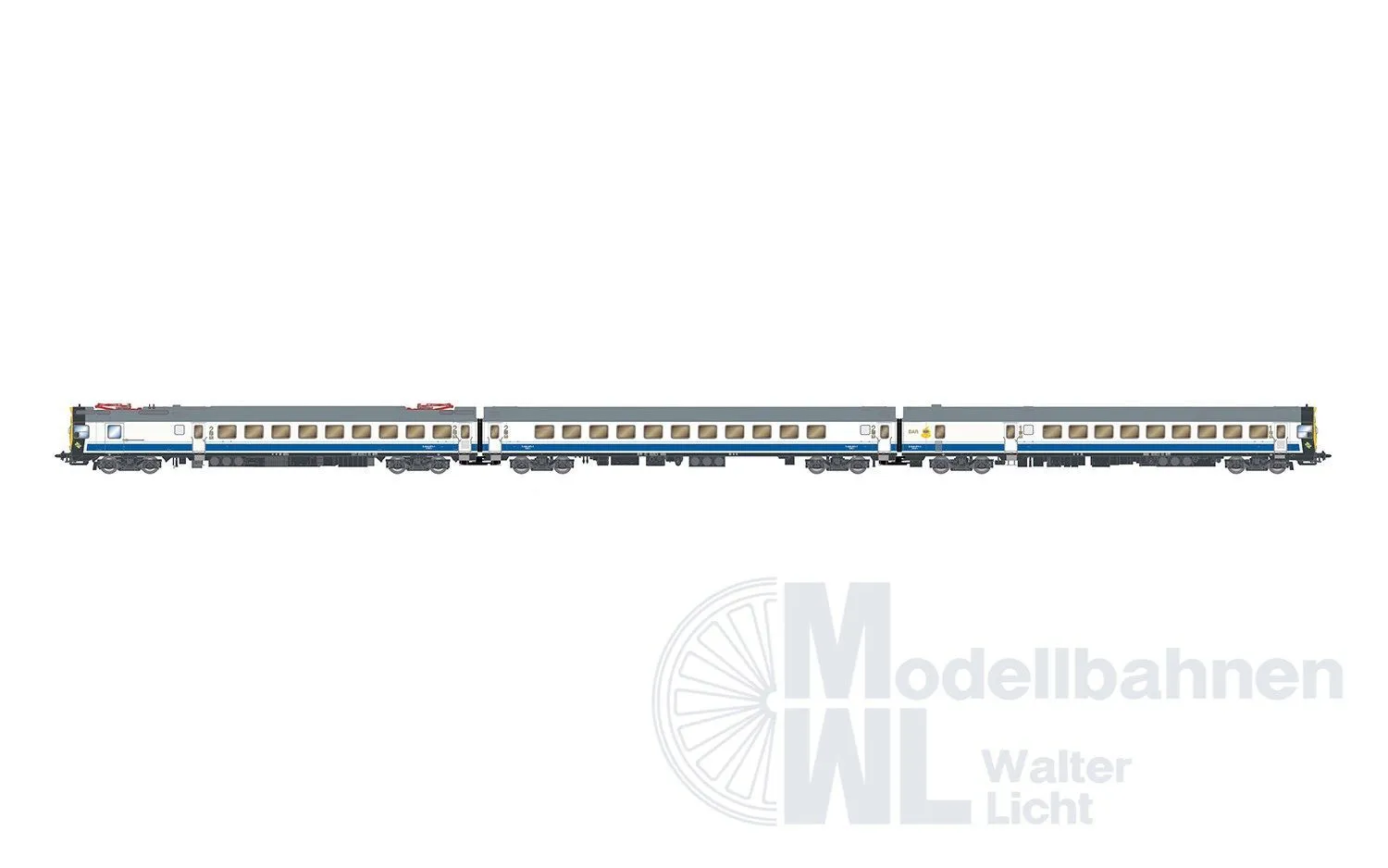
RENFE, elektrischer Triebzug der Reihe 444, Triebzug 444-011 in blau-weißer Farbgebung, Epoche V Länge über Puffer: 916 mm Digitalschnittstelle: NEM 660 MTC 21-polig Spitzen- und Schlussbeleuchtung mit der Fahrtrichtung wechselnd Motor mit Schwungmasse
Vorbestellung

RENFE, schwere Elektrolokomotive der Reihe 7500 der RENFE (Betriebsnr. 7501), Epoche III Länge über Puffer: 275 mm Digitalschnittstelle: NEM 660 MTC 21-polig Spitzen- und Schlussbeleuchtung mit der Fahrtrichtung wechselnd Motor mit Schwungmasse Federpuffer
Lieferbar

RENFE, schwere Elektrolokomotive der Reihe 7500 der RENFE (Betriebsnr. 7501), Epoche III Gleichstrommodell, digital mit Sound Länge über Puffer: 275 mm Digitalschnittstelle: NEM 660 MTC 21-polig Spitzen- und Schlussbeleuchtung mit der Fahrtrichtung wechselnd Federpuffer Führerstandsbeleuchtung
Lieferbar

NORTE, schwere Elektrolokomotive der Reihe 7200, Betriebsnr. 7206 des Eisenbahnmuseums in Villanova y Geltrú in blauer Farbgebung Länge über Puffer: 275 mm Digitalschnittstelle: NEM 660 MTC 21-polig Spitzen- und Schlussbeleuchtung mit der Fahrtrichtung wechselnd Motor mit Schwungmasse Federpuffer
Lieferbar

NORTE, schwere Elektrolokomotive der Reihe 7200, Betriebsnr. 7206 des Eisenbahnmuseums in Villanova y Geltrú in blauer Farbgebung Gleichstrommodell, digital mit Sound Länge über Puffer: 275 mm Digitalschnittstelle: NEM 660 MTC 21-polig Spitzen- und Schlussbeleuchtung mit der Fahrtrichtung wechselnd Federpuffer Führerstandsbeleuchtung
Lieferbar

ADIF, Diesel-Rangierlokomotive der Reihe 309, grün/weiße Farbgebung
Lieferbar

ADIF, Diesel-Rangierlokomotive der Reihe 309, grün/weiße Farbgebung
Lieferbar

ADIF, Diesel-Rangierlokomotive der Reihe 309, grün/weiße Farbgebung
Lieferbar

FESAVA, Diesel-Rangierlokomotive der Reihe 309, blau/graue Farbgebung
Lieferbar

FESAVA, Diesel-Rangierlokomotive der Reihe 309, blau/graue Farbgebung
Lieferbar

FESAVA, Diesel-Rangierlokomotive der Reihe 309, blau/graue Farbgebung
Lieferbar

SRC, Diesel-Rangierlokomotive 312, „Captrain“ rot-graue Farbgebung
Lieferbar

SRC, Diesel-Rangierlokomotive 312, „Captrain“ rot-graue Farbgebung
Lieferbar

SRC, Diesel-Rangierlokomotive 312, „Captrain“ rot-graue Farbgebung
Lieferbar

ADIF, Messzug A330 „Séneca“, weiß-grüne Farbgebung Product Info The ADIF Series 330 high-speed laboratory train consists of five vehicles forming a self-contained unit: a powered end car with driving cab, three intermediate coaches, and a non-powered end car with driving cab. The first and second intermediate coaches—the latter being a two-axle vehicle—house laboratory equipment. The third intermediate coach is fitted with standard (tourist-class) seating. The Series 330 train is designed for dynamic and geometric inspection of track and catenary, as well as for testing and monitoring the ASFA and ERTMS signalling systems and GSM-R communications. It is also equipped to carry out real-world testing of aerodynamic effects produced in tunnels by high-speed trains, simulations of commercial operation, and all necessary trials to validate new infrastructure equipment, allowing analysis of their impact on rolling stock operations. This train was named “Séneca” by ADIF at the end of 2007 and reaches a maximum speed of 336 km/h. With the exception of the cab control car and the end tourist coach—both newly built—the remaining vehicles of the A330 originated from the Talgo 350 prototype consist, predecessor of Renfe’s Series 102. The A330 power car is very similar to those of the Series 102 and is therefore equipped with ASFA and ERTMS Level 1 and 2. Train-to-ground communication is carried out via the GSM-R digital system. A 25 kV transformer supplies two IGBT-based converters, which in turn power the traction motors and the train’s auxiliary systems. Technical features: Metal chassis in the power car Five-pole motor with flywheels NEM 660 interface, 21-pin MTC socket for digital decoder Metal pantographs, functional in digital mode Minimum radius: 356 mm Independent white and red lights according to direction of travel Close coupling mechanism between locomotive and coaches
Lieferbar

ADIF, Messzug A330 „Séneca“, weiß-grüne Farbgebung Product Info The ADIF Series 330 high-speed laboratory train consists of five vehicles forming a self-contained unit: a powered end car with driving cab, three intermediate coaches, and a non-powered end car with driving cab. The first and second intermediate coaches—the latter being a two-axle vehicle—house laboratory equipment. The third intermediate coach is fitted with standard (tourist-class) seating. The Series 330 train is designed for dynamic and geometric inspection of track and catenary, as well as for testing and monitoring the ASFA and ERTMS signalling systems and GSM-R communications. It is also equipped to carry out real-world testing of aerodynamic effects produced in tunnels by high-speed trains, simulations of commercial operation, and all necessary trials to validate new infrastructure equipment, allowing analysis of their impact on rolling stock operations. This train was named “Séneca” by ADIF at the end of 2007 and reaches a maximum speed of 336 km/h. With the exception of the cab control car and the end tourist coach—both newly built—the remaining vehicles of the A330 originated from the Talgo 350 prototype consist, predecessor of Renfe’s Series 102. The A330 power car is very similar to those of the Series 102 and is therefore equipped with ASFA and ERTMS Level 1 and 2. Train-to-ground communication is carried out via the GSM-R digital system. A 25 kV transformer supplies two IGBT-based converters, which in turn power the traction motors and the train’s auxiliary systems. Technical features: Metal chassis in the power car Five-pole motor with flywheels NEM 660 interface, 21-pin MTC socket for digital decoder Metal pantographs, functional in digital mode Minimum radius: 356 mm Independent white and red lights according to direction of travel Close coupling mechanism between locomotive and coaches
Lieferbar
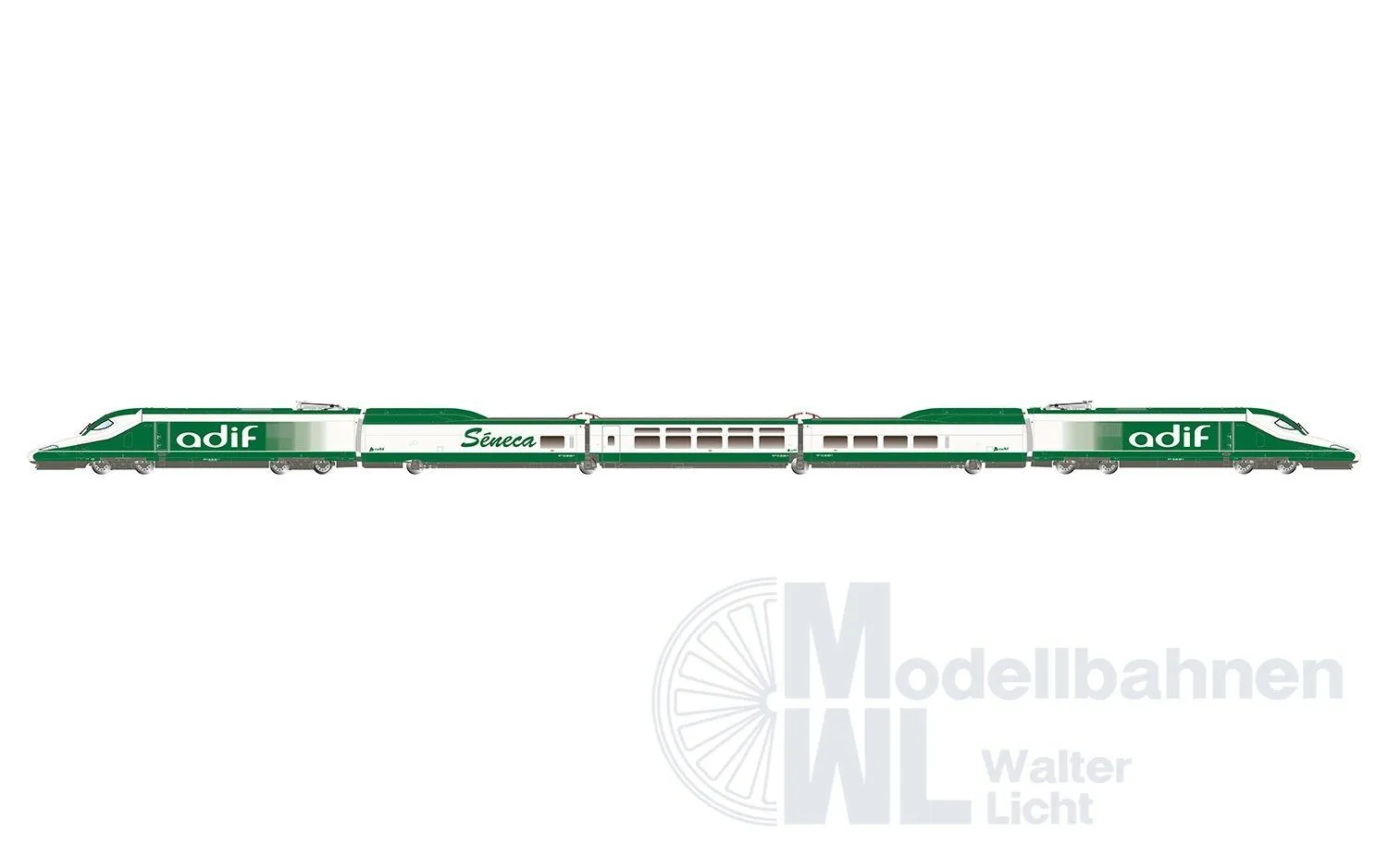
ADIF, Messzug A330 „Séneca“, weiß-grüne Farbgebung Product Info The ADIF Series 330 high-speed laboratory train consists of five vehicles forming a self-contained unit: a powered end car with driving cab, three intermediate coaches, and a non-powered end car with driving cab. The first and second intermediate coaches—the latter being a two-axle vehicle—house laboratory equipment. The third intermediate coach is fitted with standard (tourist-class) seating. The Series 330 train is designed for dynamic and geometric inspection of track and catenary, as well as for testing and monitoring the ASFA and ERTMS signalling systems and GSM-R communications. It is also equipped to carry out real-world testing of aerodynamic effects produced in tunnels by high-speed trains, simulations of commercial operation, and all necessary trials to validate new infrastructure equipment, allowing analysis of their impact on rolling stock operations. This train was named “Séneca” by ADIF at the end of 2007 and reaches a maximum speed of 336 km/h. With the exception of the cab control car and the end tourist coach—both newly built—the remaining vehicles of the A330 originated from the Talgo 350 prototype consist, predecessor of Renfe’s Series 102. The A330 power car is very similar to those of the Series 102 and is therefore equipped with ASFA and ERTMS Level 1 and 2. Train-to-ground communication is carried out via the GSM-R digital system. A 25 kV transformer supplies two IGBT-based converters, which in turn power the traction motors and the train’s auxiliary systems. Technical features: Metal chassis in the power car Five-pole motor with flywheels NEM 660 interface, 21-pin MTC socket for digital decoder Metal pantographs, functional in digital mode Minimum radius: 356 mm Independent white and red lights according to direction of travel Close coupling mechanism between locomotive and coaches
Lieferbar

RENFE, 5-tlg. Grundset des Hochgeschwindigkeitszugs „AVLO“, violette Farbgebung
Lieferbar
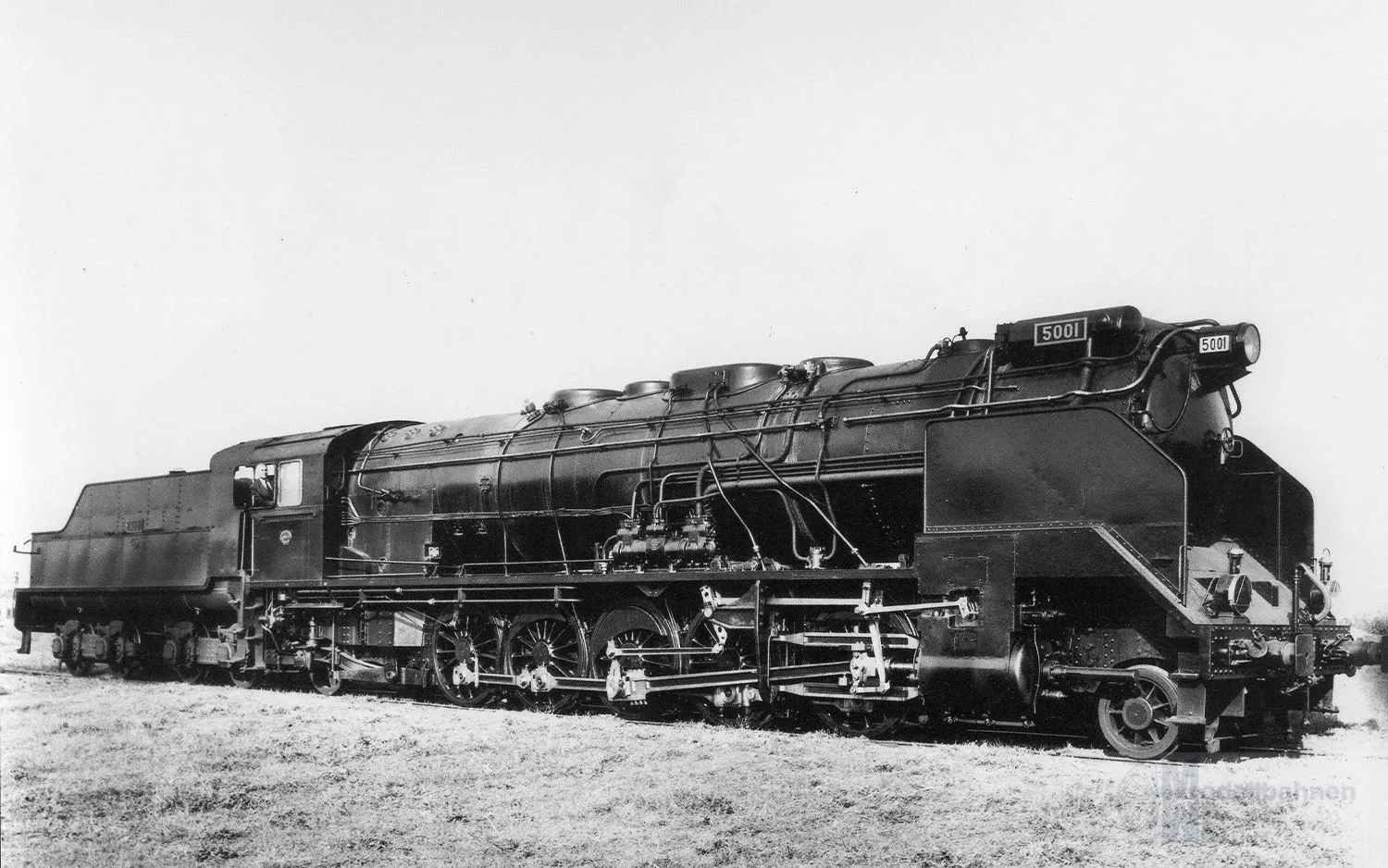
RENFE, schwere Schlepptenderdampflokomotive 5001 „Santa Fe”, mit alten Lampen und Kohletender RENFE, 151, "5001" original lamps and coal tender Digitale Schnittstelle: NEM 660 (21-pin MTC) Epoche: III Länge über Puffer: 300 mm
Vorbestellung
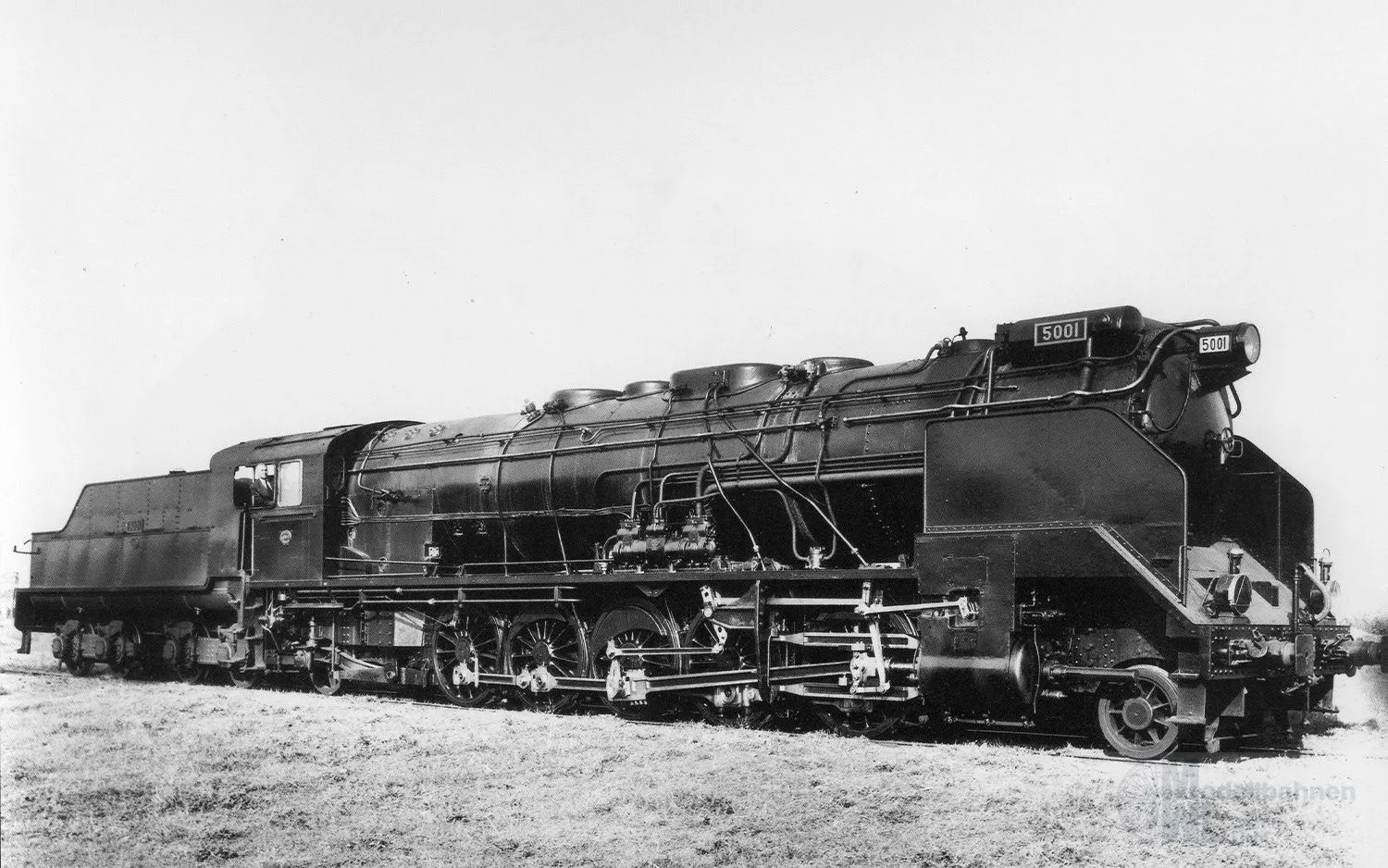
RENFE, schwere Schlepptenderdampflokomotive 5001 „Santa Fe”, mit alten Lampen und Kohletender, mit Rauchsystem und BLE-Decoder RENFE, 151, "5001" original lamps and coal tender, with smoke system and BLE decoder Digitale Schnittstelle: NEM 660 (21-pin MTC) Epoche: III Länge über Puffer: 300 mm
Vorbestellung
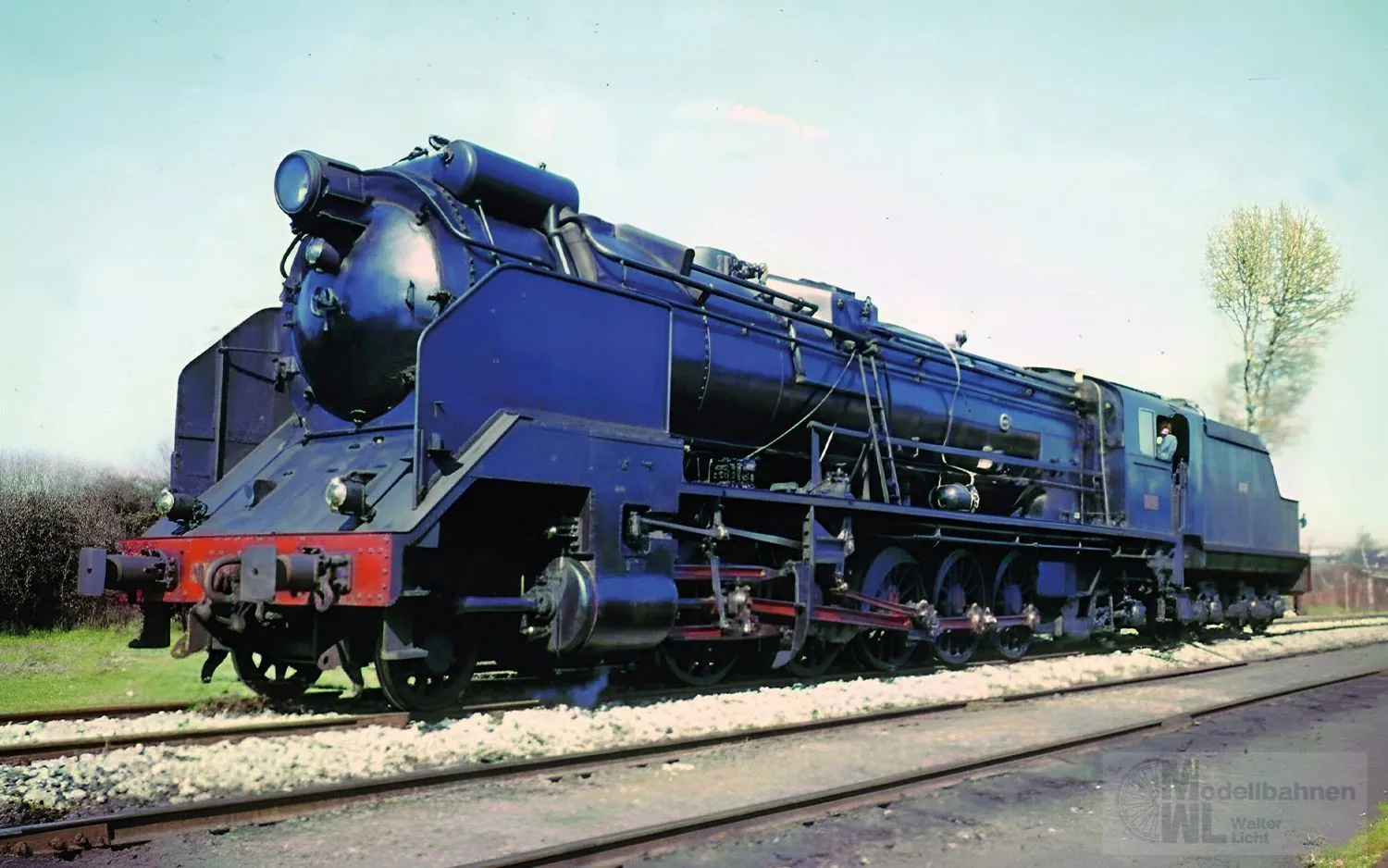
RENFE, schwere Schlepptenderdampflokomotive 151F-3106 „Santa Fe”, moderne Lampen und Schweröltender RENFE, 151F-3106, modern lamps and fuel tender, ep. III Digitale Schnittstelle: NEM 660 (21-pin MTC) Epoche: III Länge über Puffer: 300 mm
Vorbestellung
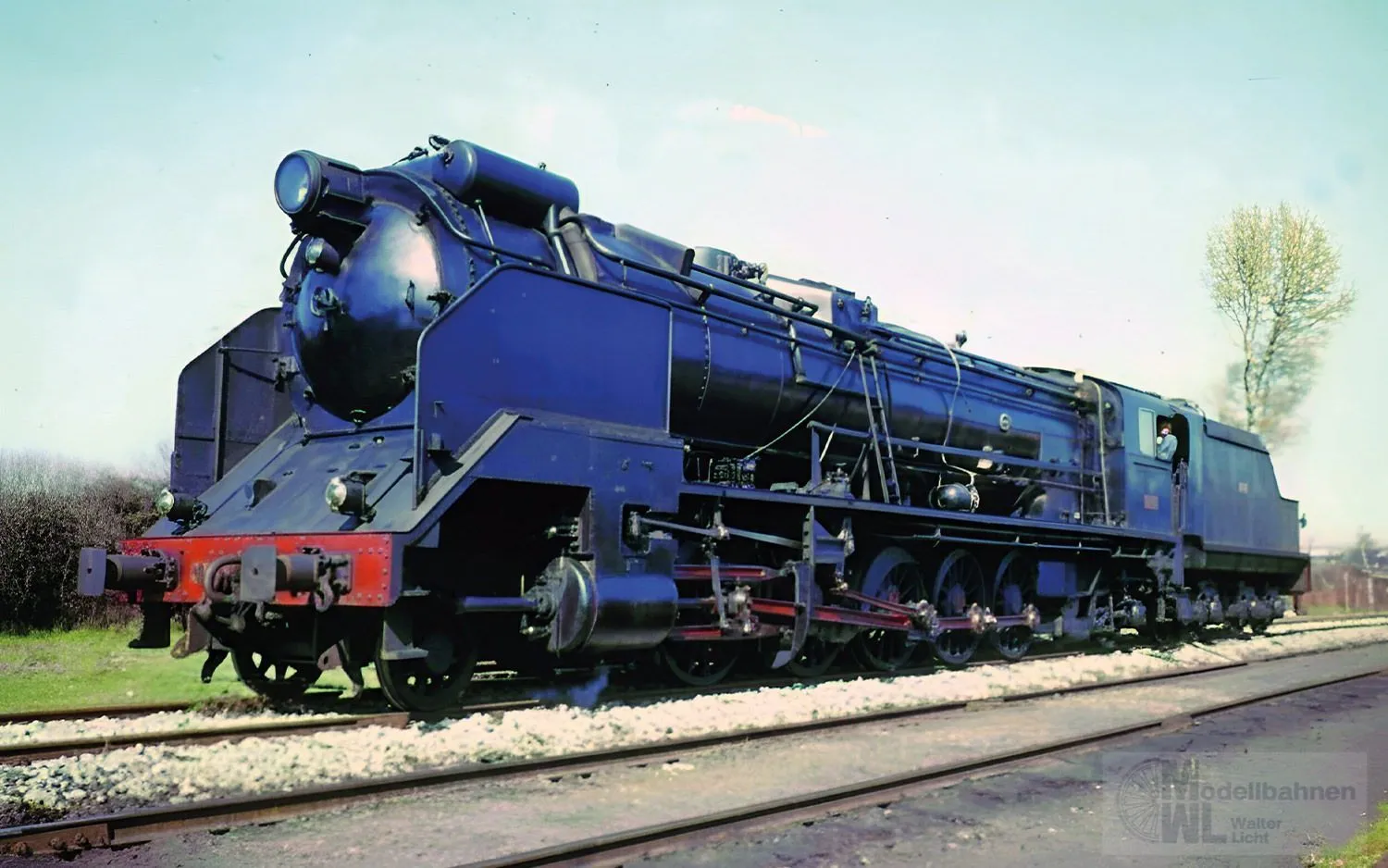
RENFE, schwere Schlepptenderdampflokomotive 151F-3106 „Santa Fe”, moderne Lampen und Schweröltender, mit Rauchsystem und BLE-Decoder RENFE, 151F-3106, modern lamps and fuel tender, ep. III, with smoke system and BLE decoder Digitale Schnittstelle: NEM 660 (21-pin MTC) Epoche: III Länge über Puffer: 300 mm
Vorbestellung
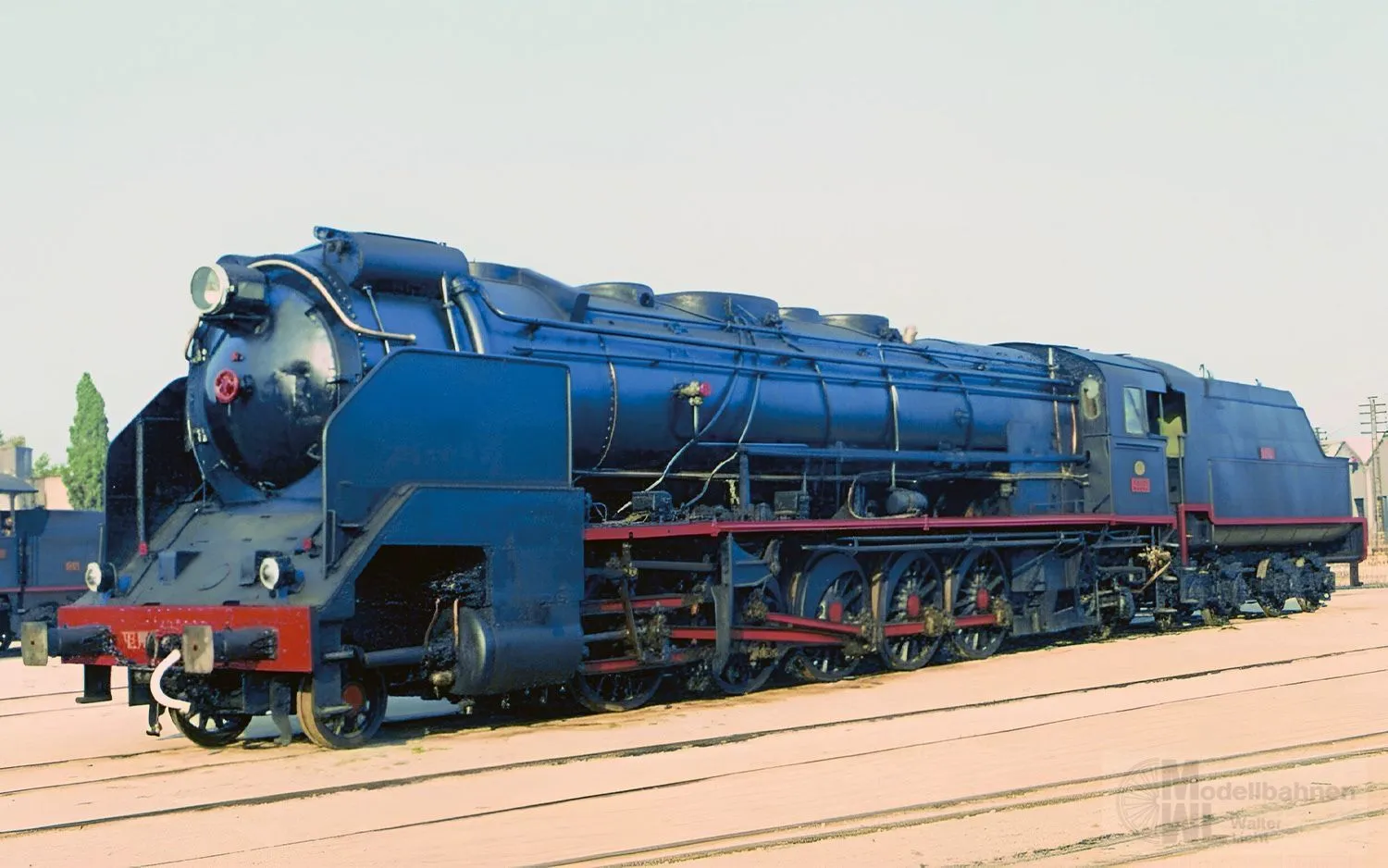
RENFE, schwere Schlepptenderdampflokomotive 151F-3101 „Santa-Fé“, Ausgabe des Eisenbahnmuseums von Villanova y la Geltrú RENFE, 151F, "Mueseum edtion" Digitale Schnittstelle: NEM 660 (21-pin MTC) Epoche: V-VI Länge über Puffer: 300 mm
Vorbestellung
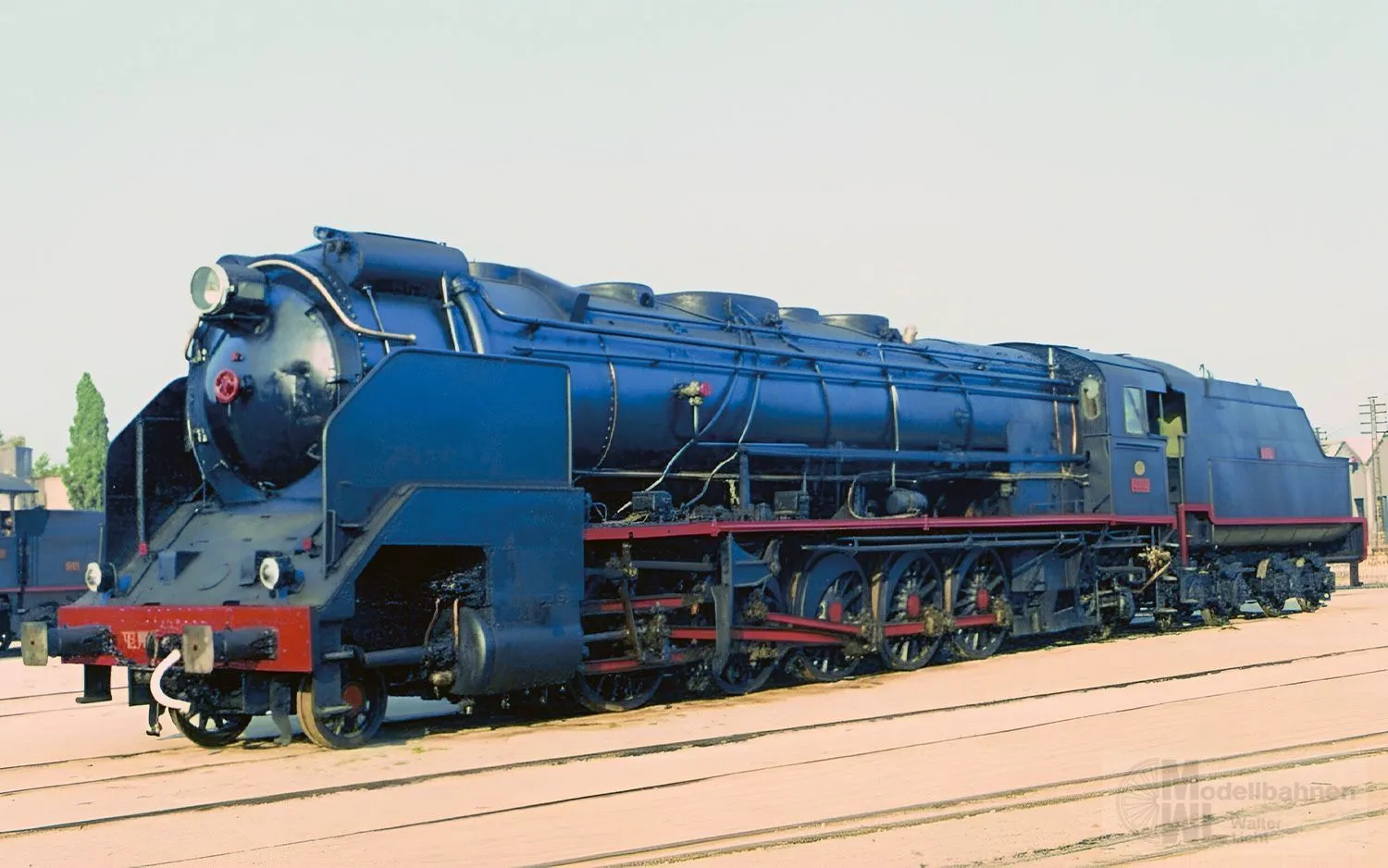
RENFE, schwere Schlepptenderdampflokomotive 151F-3101 „Santa-Fé“, Ausgabe des Eisenbahnmuseums von Villanova y la Geltrú, mit Rauchsystem und BLE-Decoder RENFE, 151F, "Mueseum edtion", with smoke system and BLE decoder Digitale Schnittstelle: NEM 660 (21-pin MTC) Epoche: V-VI Länge über Puffer: 300 mm
Vorbestellung