
Neuheiten
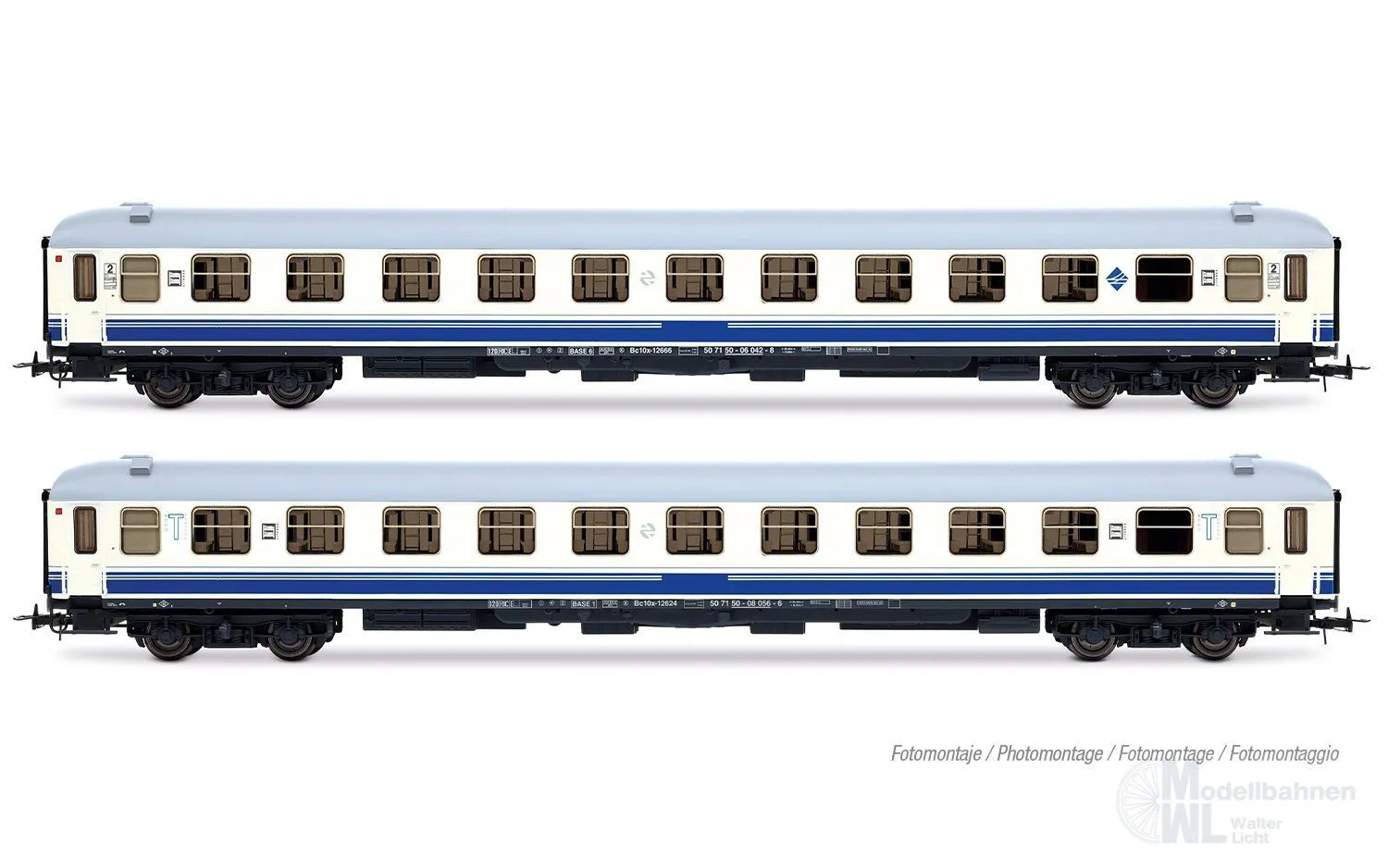
RENFE, 2er-Pack „Estrella Rías Bajas”, Bc10x-12600, Largo Recorrido-Farbgebung RENFE, 2-unit pack Estrella Rías Bajas, 2 x Bc10x-12600, ep. V Epoche: V Länge über Puffer: 606 mm
Vorbestellung

RENFE, 4-achs. Autotransportwagen der Gattung DDMA, „Pecovasa“ in roter Farbgebung
Lieferbar
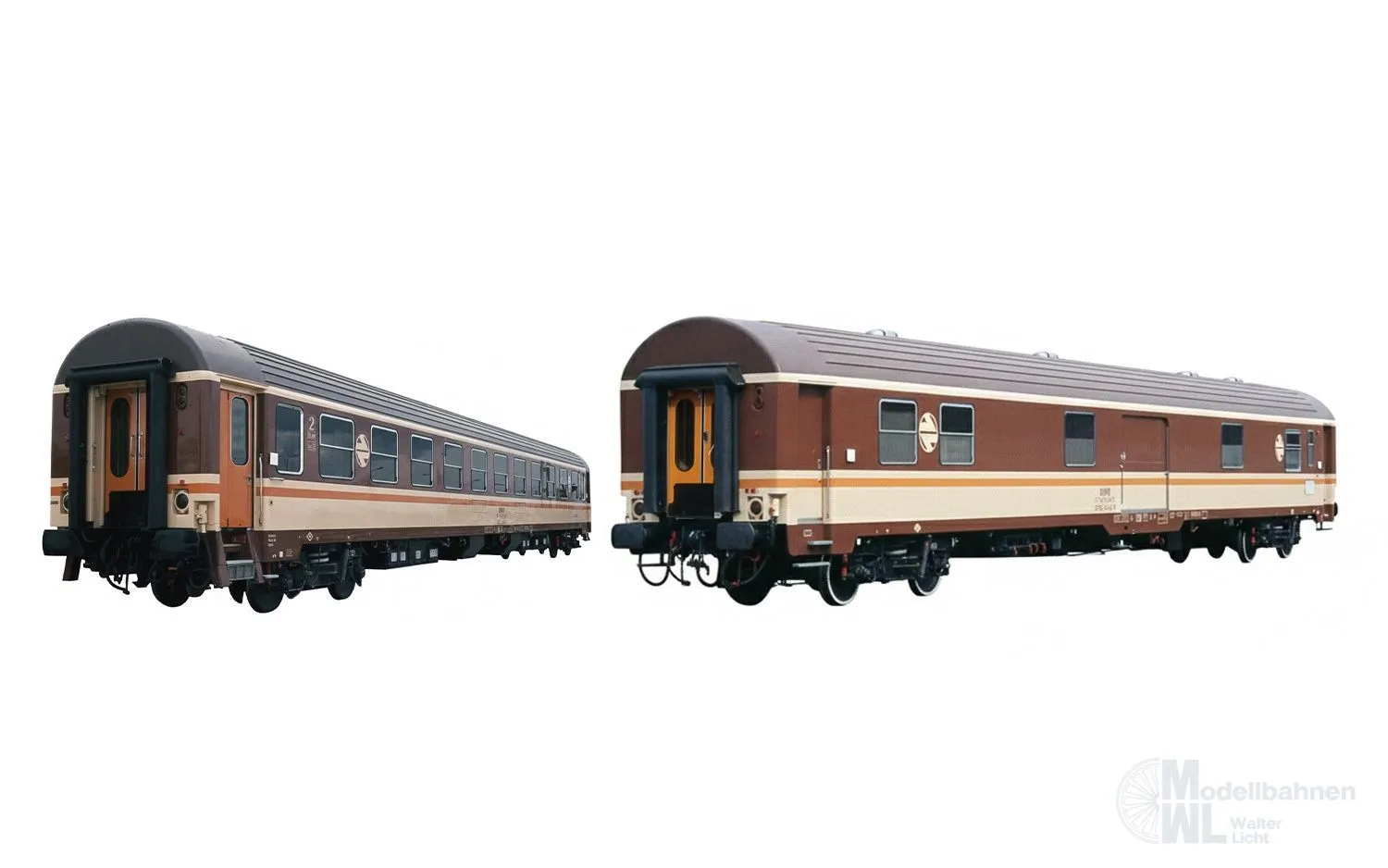
RENFE, 2-tlg. Set „Estrella Galicia”, BBL-9600 + DDE-10400, Estrella-Farbgebung, mit orangefarbenen Türen RENFE, 2-unit pack "Estrella Galicia", BBL-9600 + DDE-10400, Estrella livery, with orange doors, ep. IV Epoche: IV Länge über Puffer: 606 mm
Vorbestellung
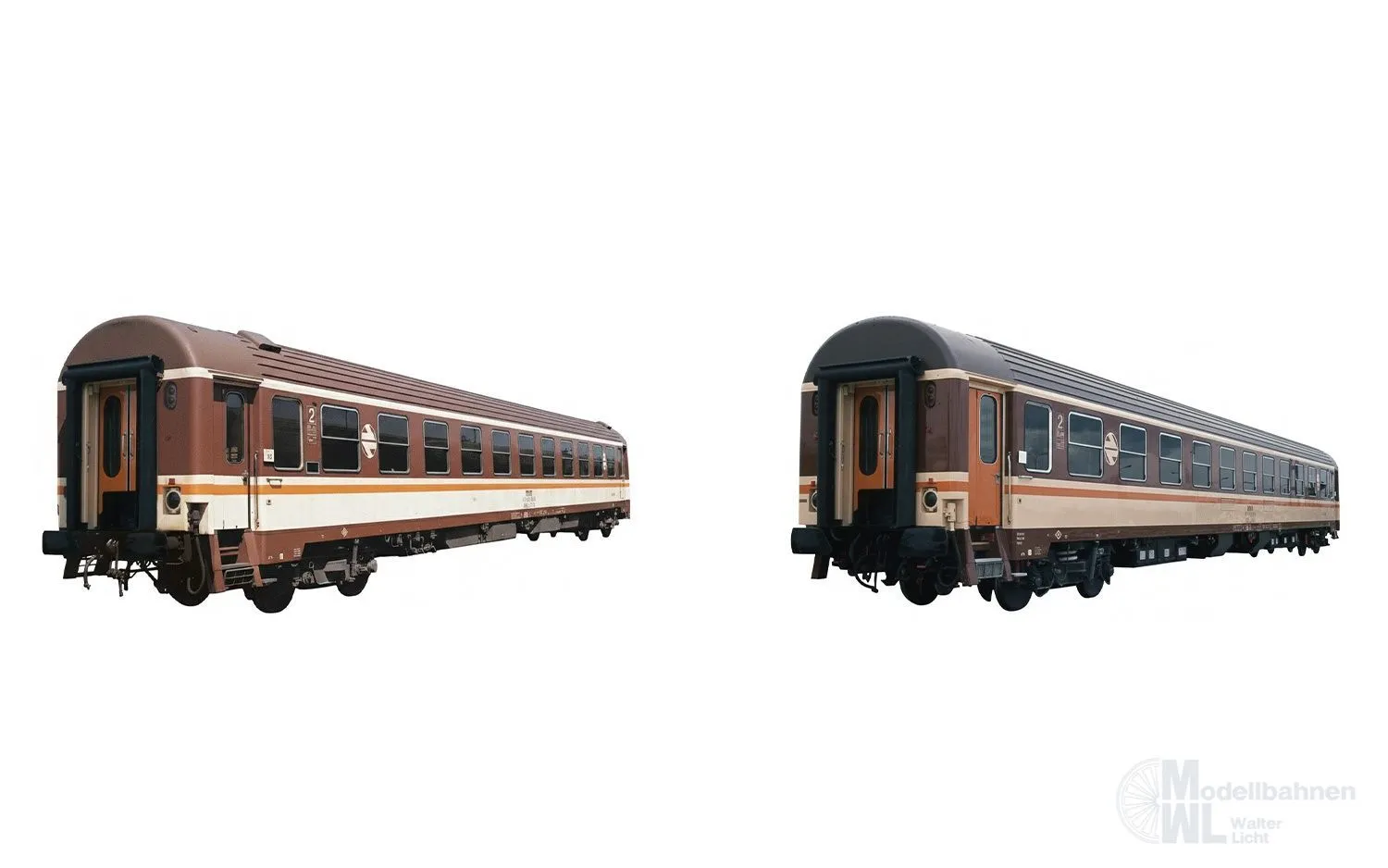
RENFE, 2-tlg. Set „Estrella Galicia”, 2 x BBL-9600, Estrella-Farbgebung mit braunen und orangefarbenen Türen RENFE, 2-unit pack "Estrella Galicia", 2 x BBL-9600, Estrella livery with brown and orange doors, ep. IV Epoche: IV Länge über Puffer: 606 mm
Vorbestellung
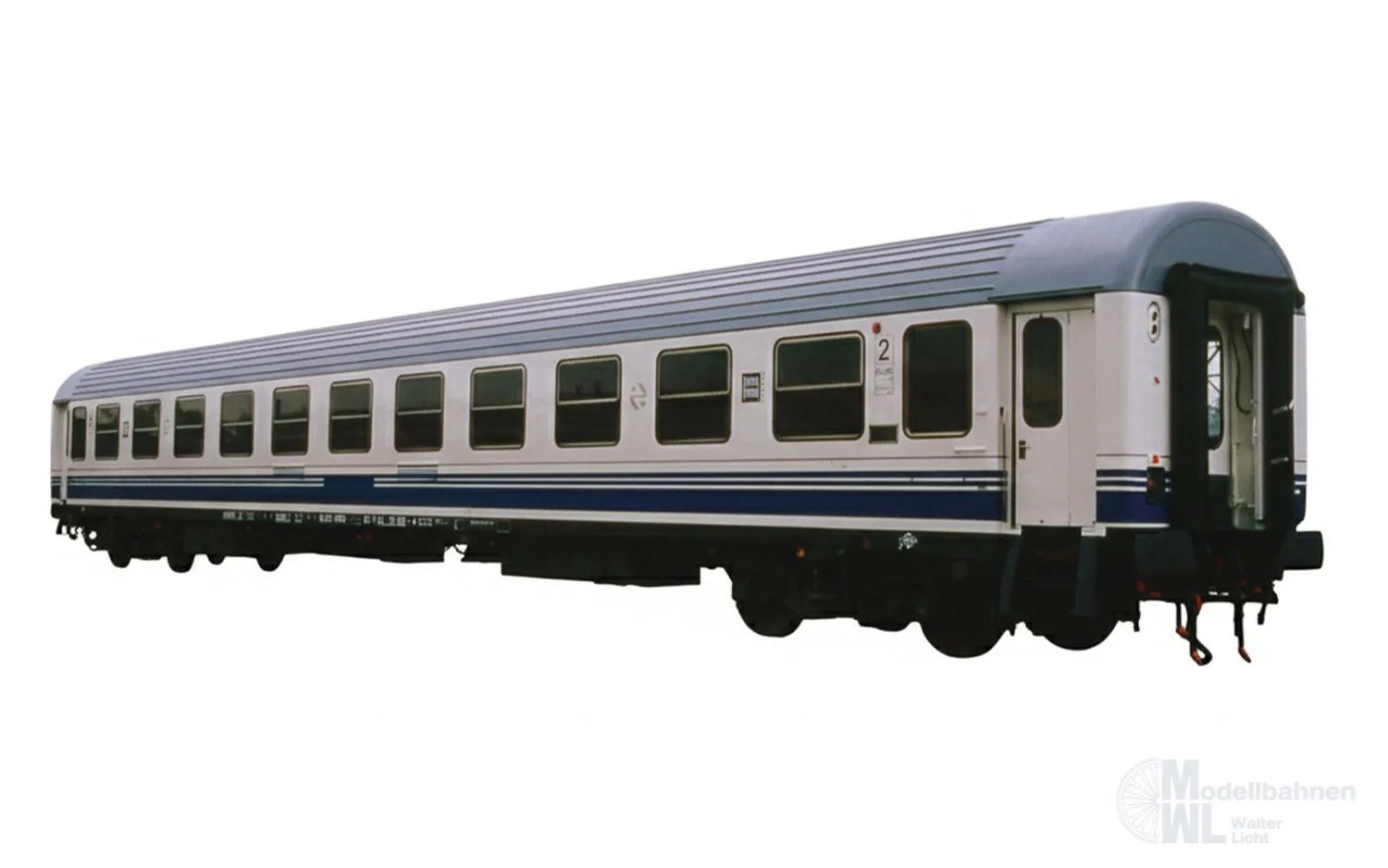
RENFE, Ergänzungswagen „Estrella Picasso”, Bc10x-9600 Liegewagen, Farbgebung „Largo Recorrido” RENFE, "Estrella Picasso" additional coach, Bc10x-9600 couchette, Largo Recorrido livery, ep. V Epoche: V Länge über Puffer: 303 mm
Vorbestellung
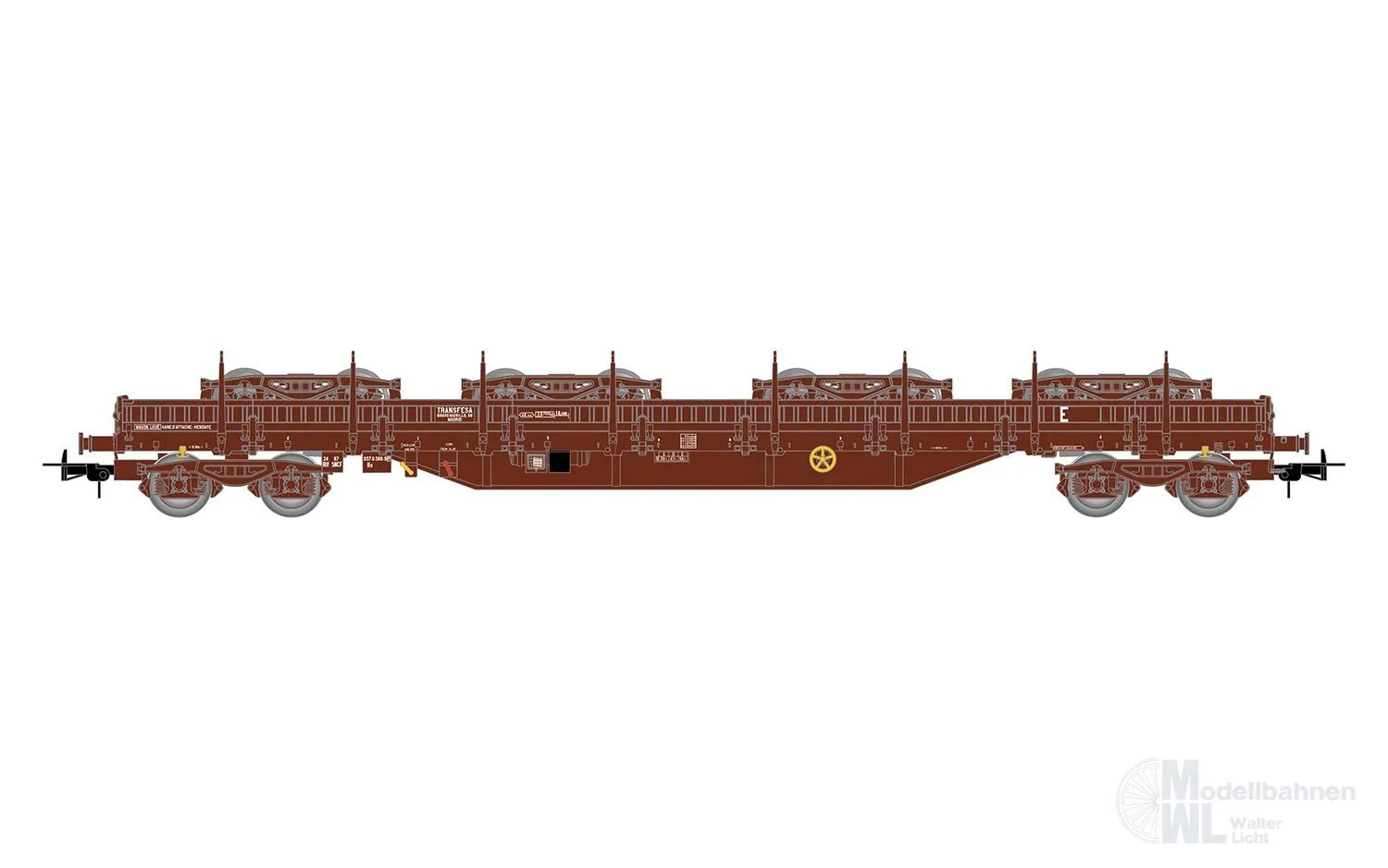
TRANSFESA, 4-achs. Rungenwagen Res, beladen mit 4 x Y25-Drehgestellen, braune Farbgebung TRANSFESA, 4-axle stake wagon Res, loaded with 4 x Y25 bogies, brown, ep. V Epoche: V Länge über Puffer: 229 mm
Vorbestellung

RENFE, 2-tlg. Set 2-achs. Gaskesselwagen Zgkk, „Saltra“, Epoche IV Länge über Puffer: 240 mm Wechselstromradsatz bestellbar unter Artikelnummer HC6101
Lieferbar

RENFE, 4-achs. Schwenkdachwagen TT5 in oxidroter Farbgebung, „Metransa“, Ep. IV Länge über Puffer: 121 mm Wechselstromradsatz bestellbar unter Artikelnummer HC6101
Lieferbar
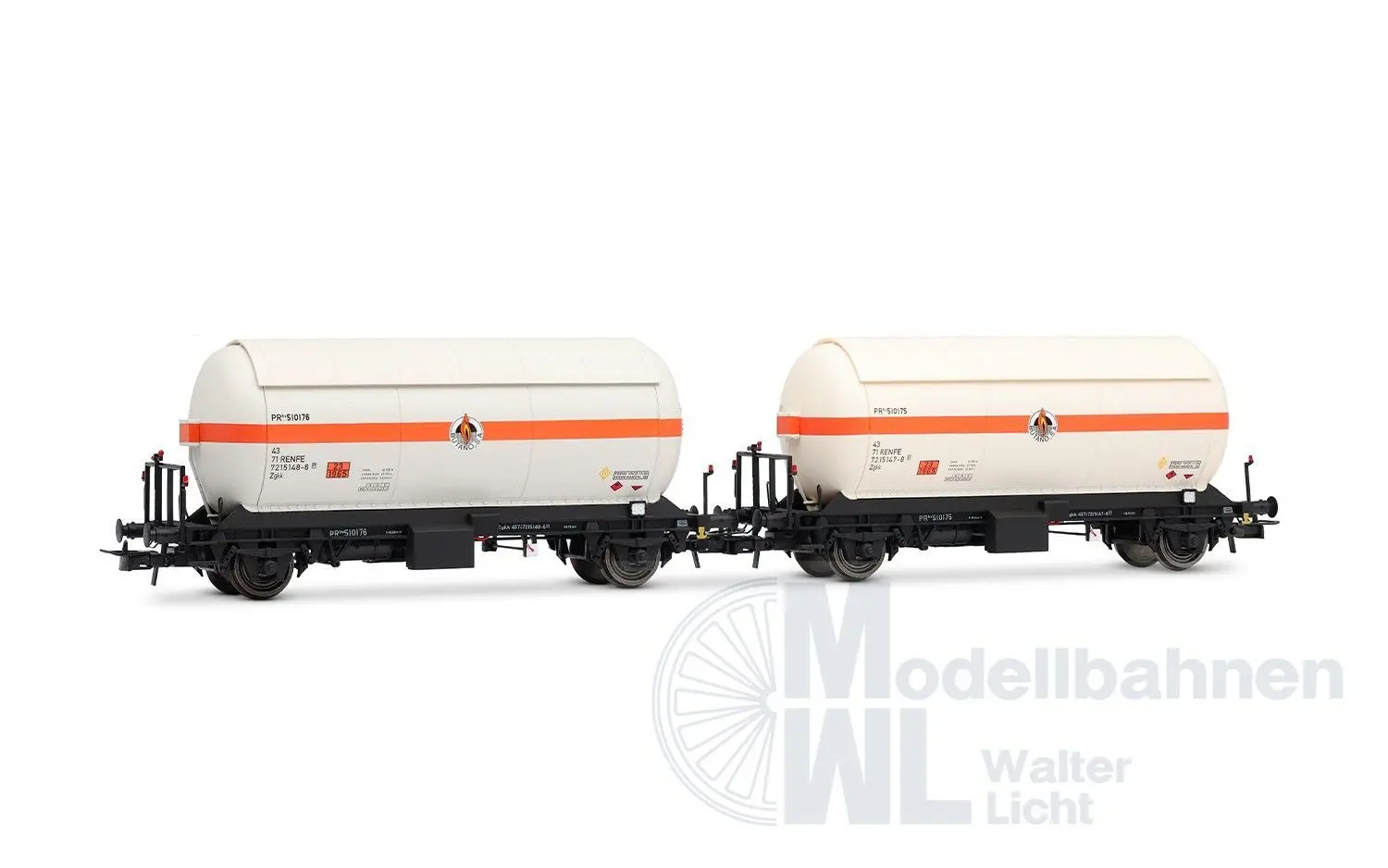
RENFE, 2-tlg. Set 2-achs. Gaskesselwagen, weiße-orange Farbgebung „Butano S.A.“
Lieferbar

RENFE, 2-tlg. Set 2-achs. Gaskesselwagen PR, „Butano S.A.“, silber-schwarze Farbgebung, Ep. III-I Länge über Puffer: 240 mm Wechselstromradsatz bestellbar unter Artikelnummer HC6101
Lieferbar

SNCF/RENFE, 4-achs. Schiebeplanenwagen „Transfesa“, blaue Farbgebung
Lieferbar
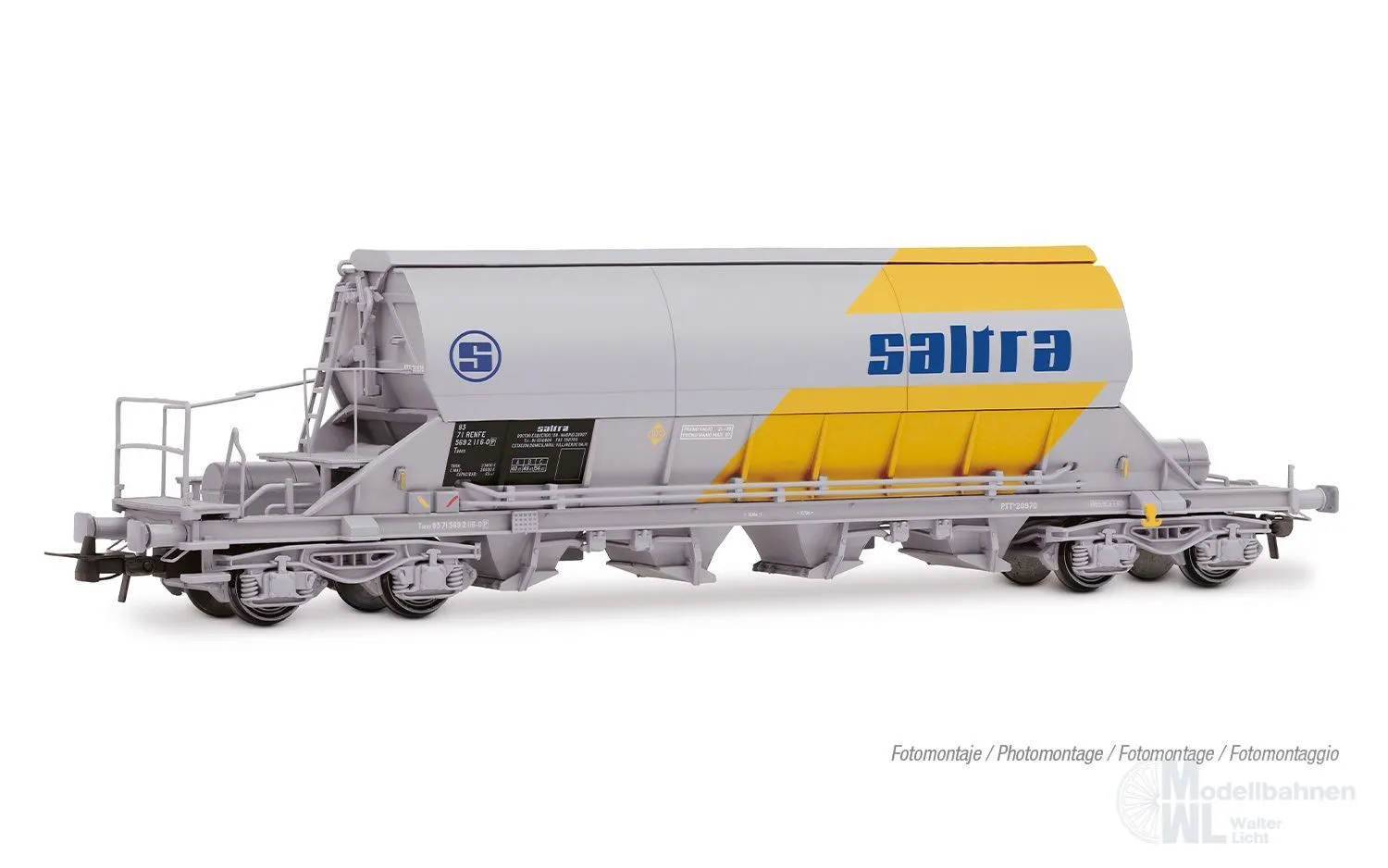
RENFE, 4-achs. Schwenkdachwagen der Bauart Taoos, grau-gelbe Farbgebung „Saltra“ RENFE, Taoos hopper wagon, grey-yellow "Saltra" livery, ep. IV Epoche: IV Länge über Puffer: 186 mm
Vorbestellung
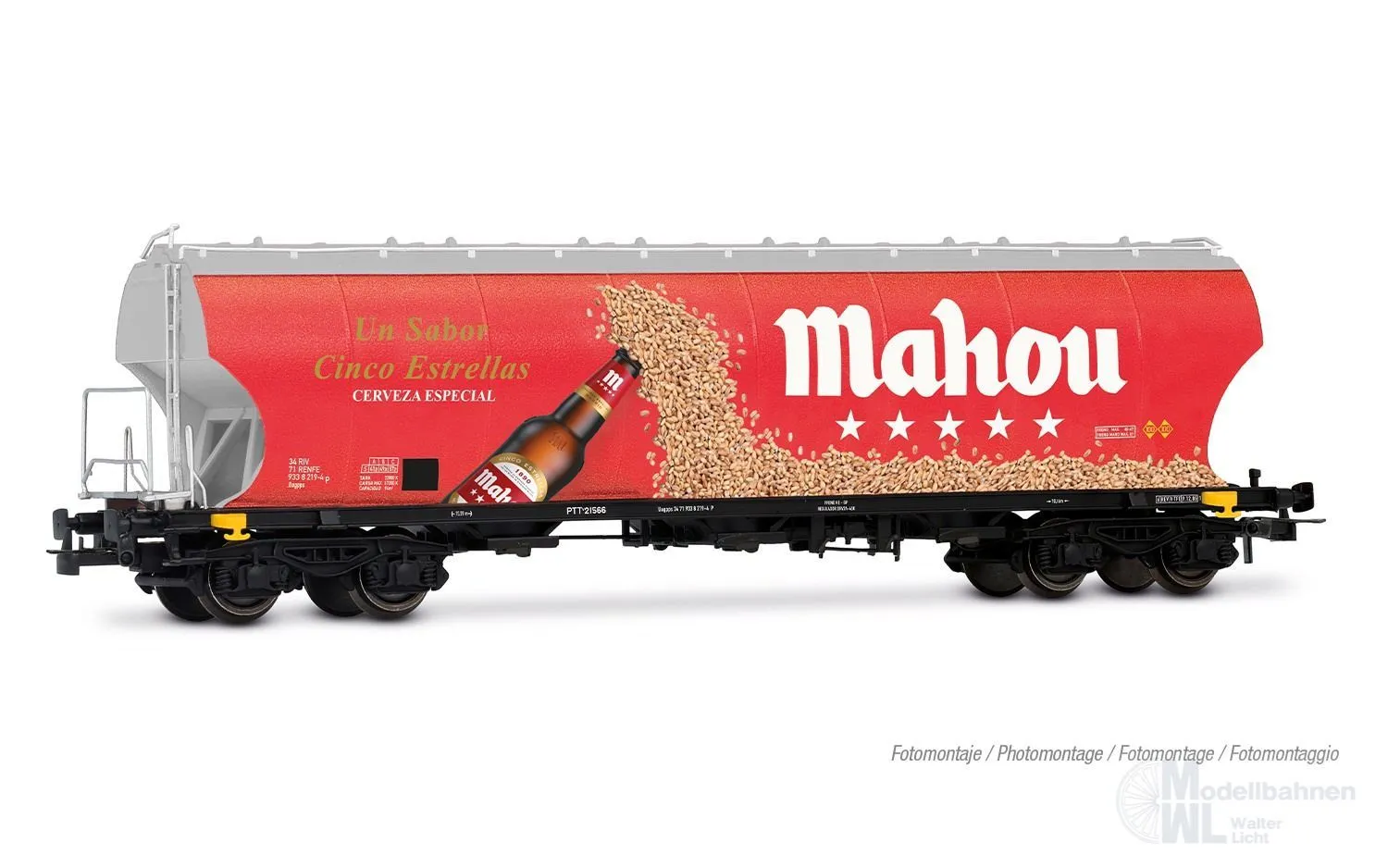
RENFE, 4-achs. Getreidesilowagen mit runden Seiten „Mahou“ RENFE, 4-axle round sided cereal hopper wagon, "mahou" livery, ep. V Epoche: V Länge über Puffer: 175 mm
Vorbestellung
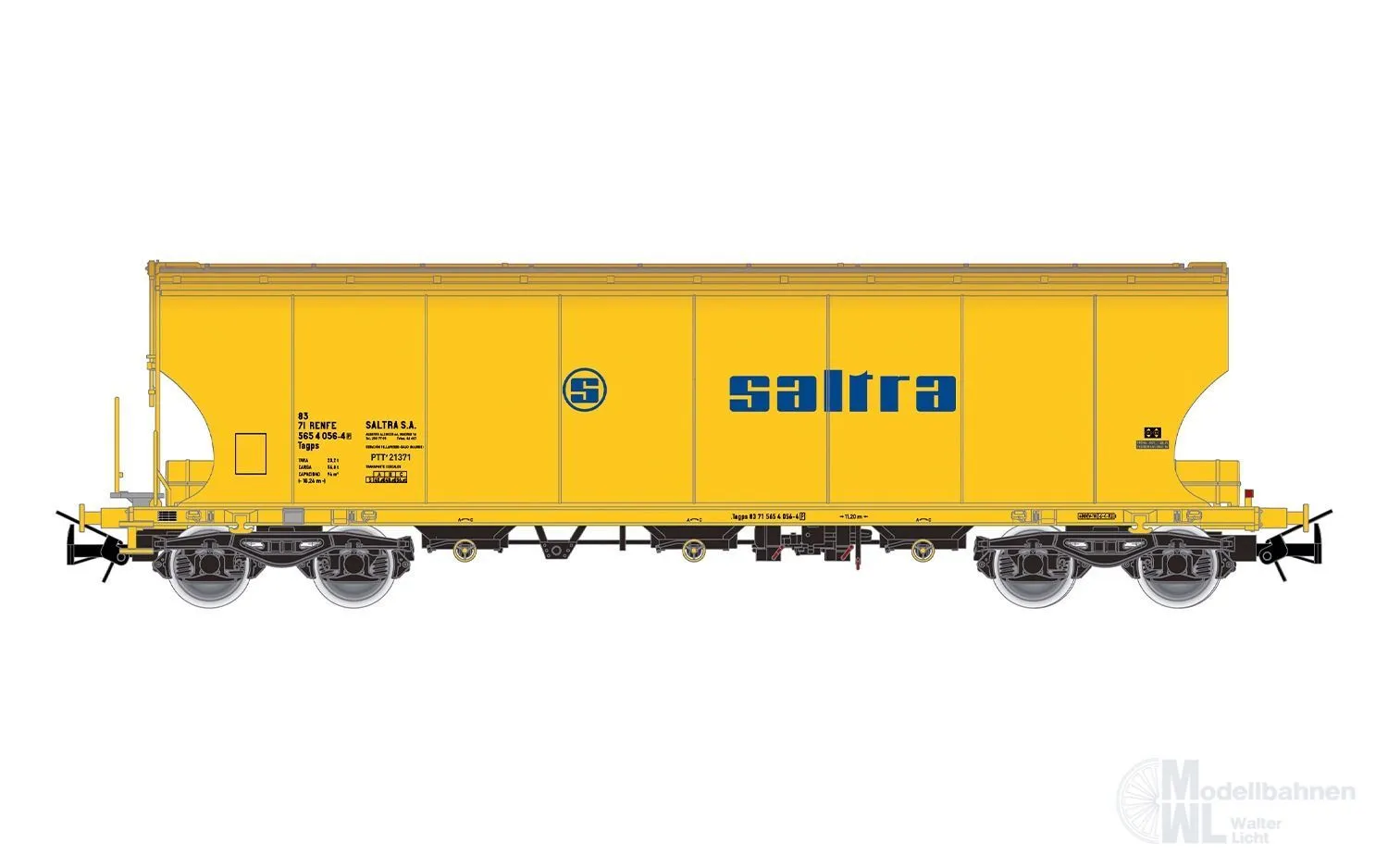
RENFE, 4-achs. Getreidesilowagen „Saltra“, gelb mit blauem Logo RENFE, 4-axle cereal hopper wagon, Saltra, yellow with blue logo, ep. IV-V Epoche: IV-V Länge über Puffer: 175 mm
Vorbestellung
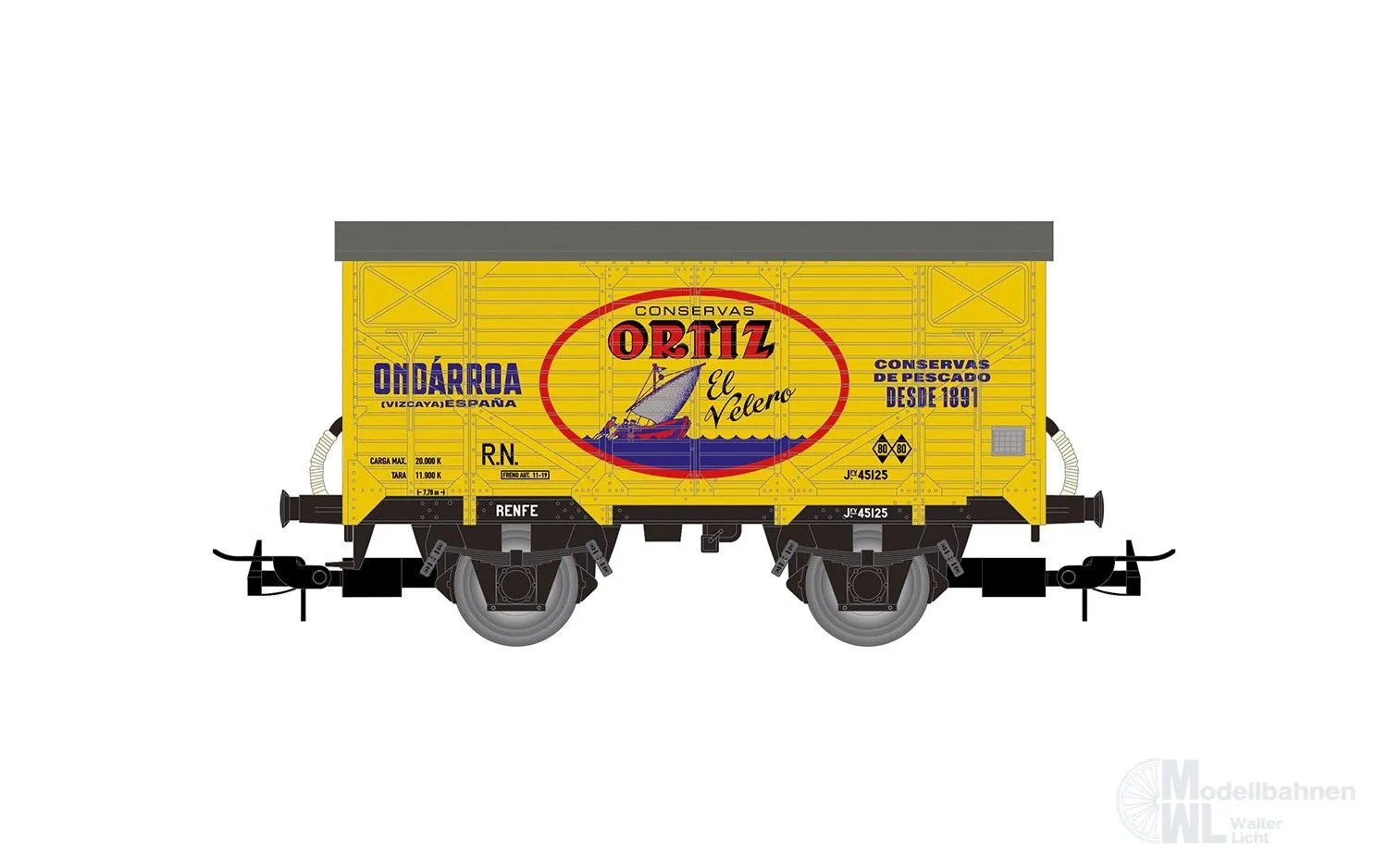
R.N., 2-achs. J-Güterwagen, Lackierung „Conservas Ortiz“ RN, 2-axle J wagon, Conservas Ortiz livery, ep. III Epoche: III Länge über Puffer: 88 mm
Vorbestellung
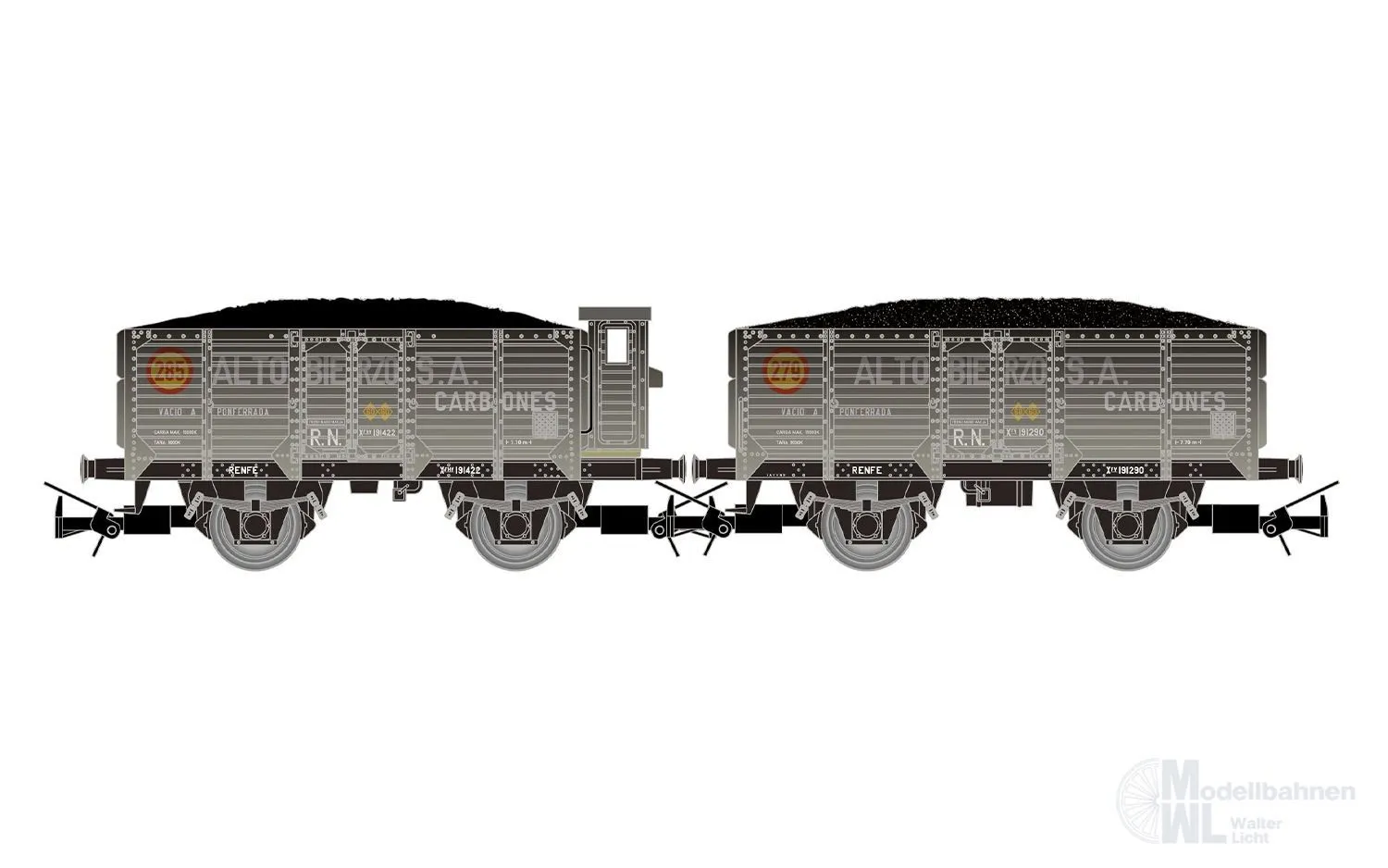
RENFE, 2-tlg. Set 2-achs. offener Güterwagen, beladen mit Kohle, grau-schwarze Farbgebung RENFE, 2-unit set 2-axle open wagons, loaded with coal, grey-black livery, ep. III Epoche: III Länge über Puffer: 176 mm
Vorbestellung
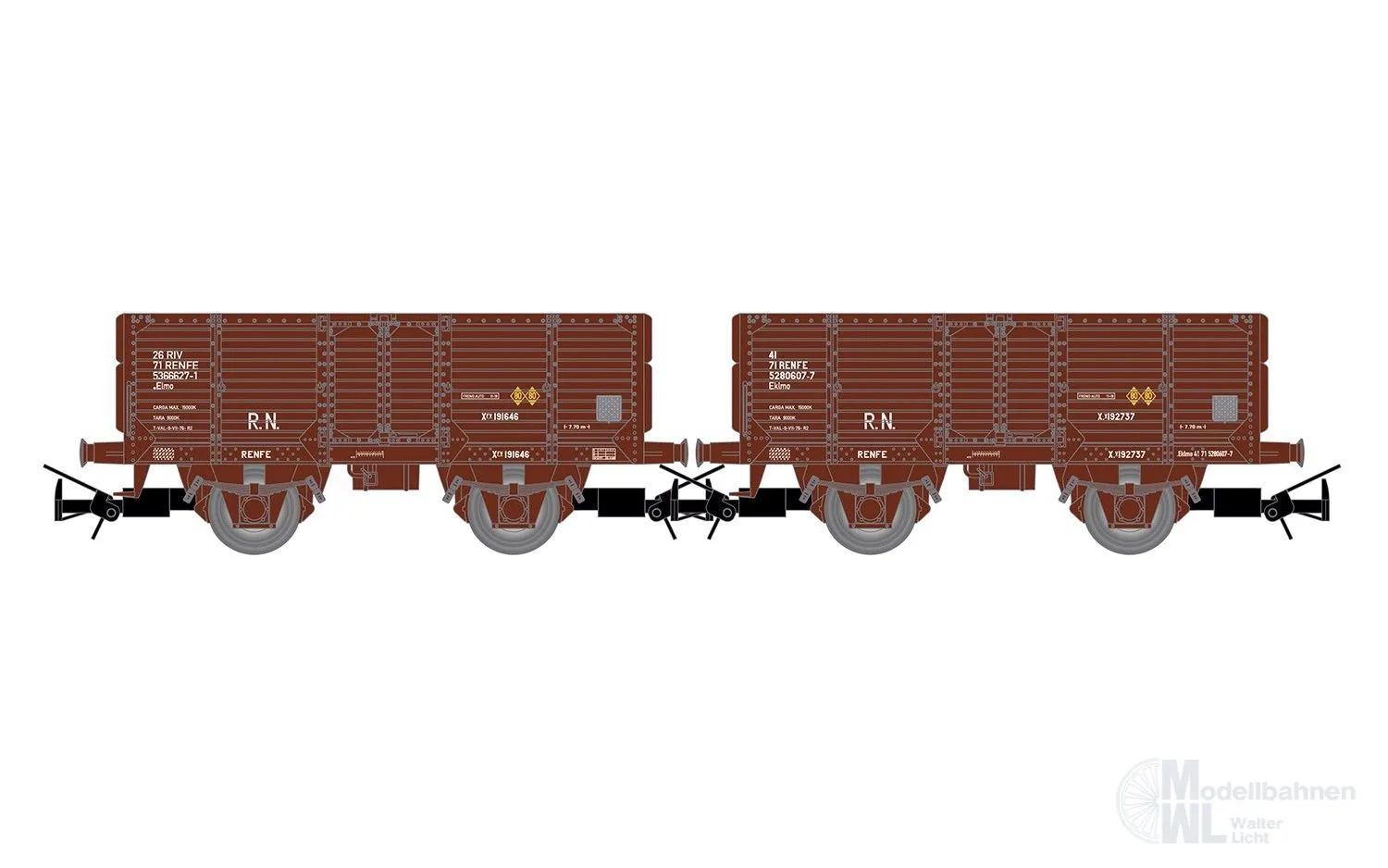
RENFE, 2-tlg. Set 2-achs. offener Güterwagen, beladen mit Tabaksäcken, oxidrote Farbgebung RENFE, 2-unit set 2-axle open wagons, loaded with tobacco saks, oxid red livery, ep. III-IV Epoche: III-IV Länge über Puffer: 176 mm
Vorbestellung

RENFE, 2-achs. gedeckter Güterwagen der Bauart J2, Rettungszug, orange Farbgebung RENFE, 2-axle wagon J2, rescue train, orange livery, ep. IV Epoche: IV Länge über Puffer: 121 mm
Lieferbar
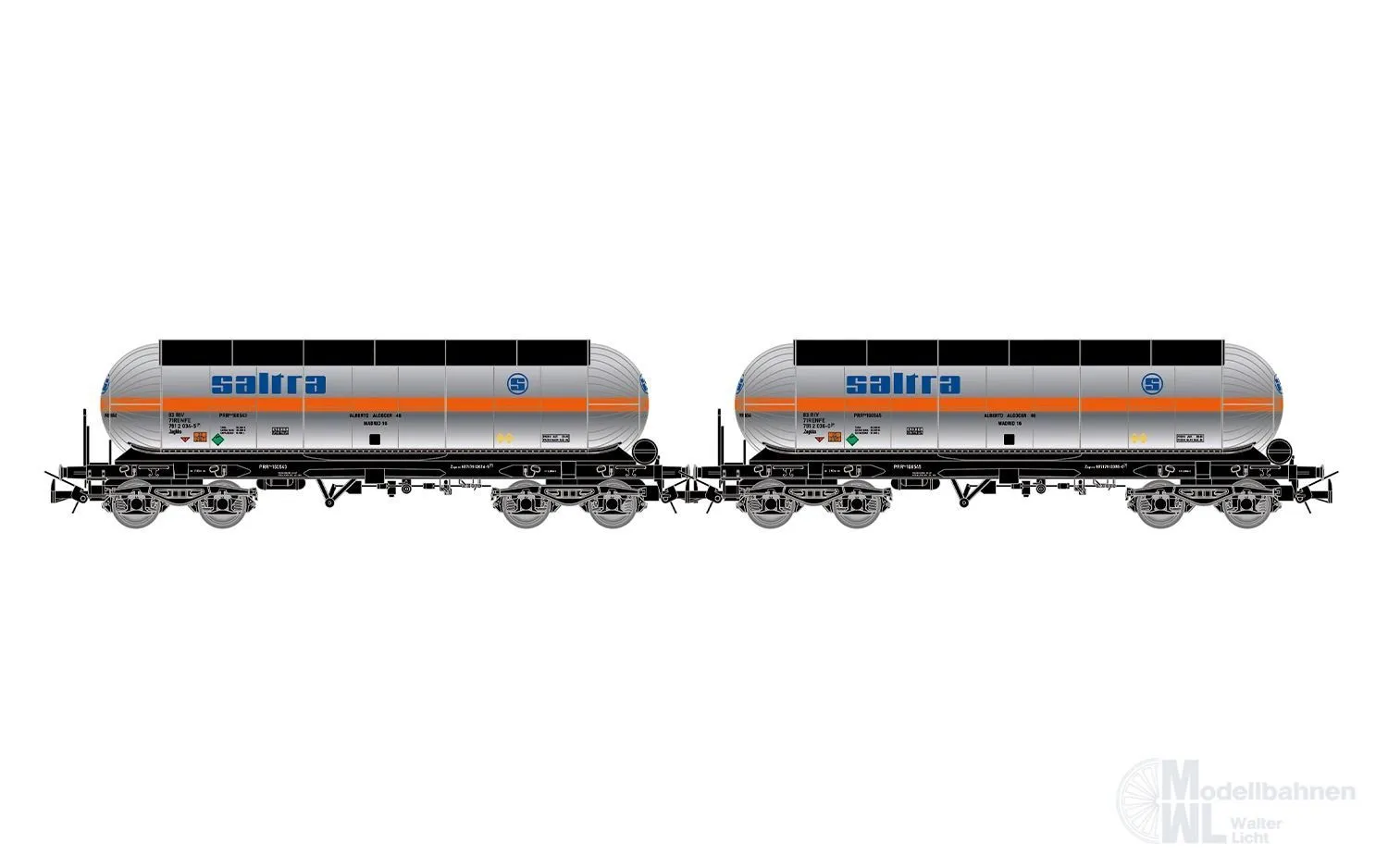
RENFE, 2-tlg. Set Kohlendioxid-Kesselwagen, „Saltra” silberne Farbgebung RENFE, 2-unit pack carbon dioxide tank wagon, "Saltra" silver livery, ep. IV Epoche: IV Länge über Puffer: 322 mm
Vorbestellung
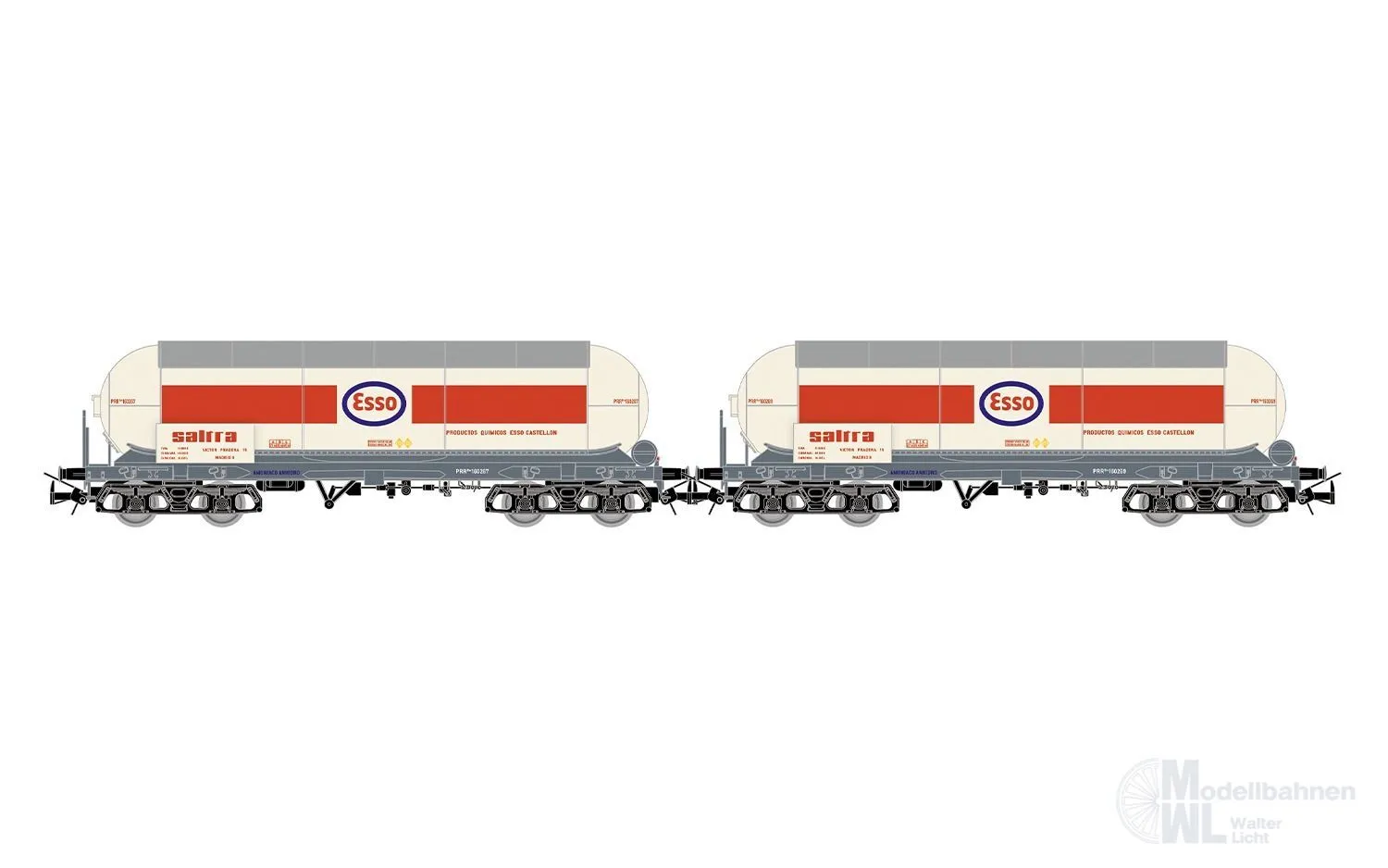
RENFE, 2-tlg. Set Ammoniak-Kesselwagen, „ESSO-Saltra” in Ursprungslackierung RENFE, 2-unit pack ammonia tank wagon, "ESSO-Saltra" original livery, ep. IV Epoche: IV Länge über Puffer: 322 mm
Vorbestellung
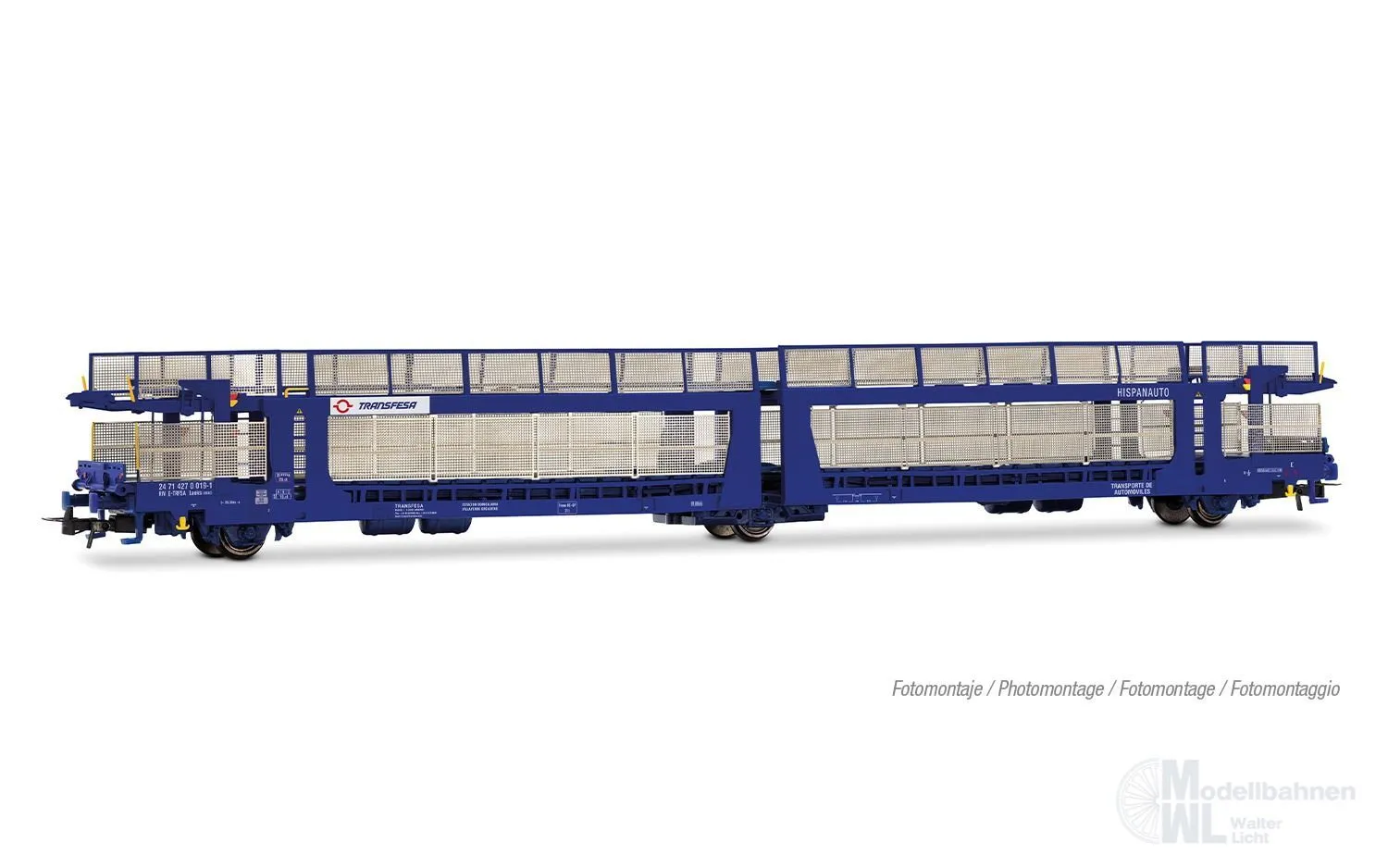
Transfesa, 3-achs. Autotransportwagen, Bauart Laeks 63C „Hispanauto”, blau Transfesa, 3-axle car transporter, modernized Laeks 63C "Hispanauto", blue, ep. VI Epoche: VI Länge über Puffer: 304 mm
Vorbestellung
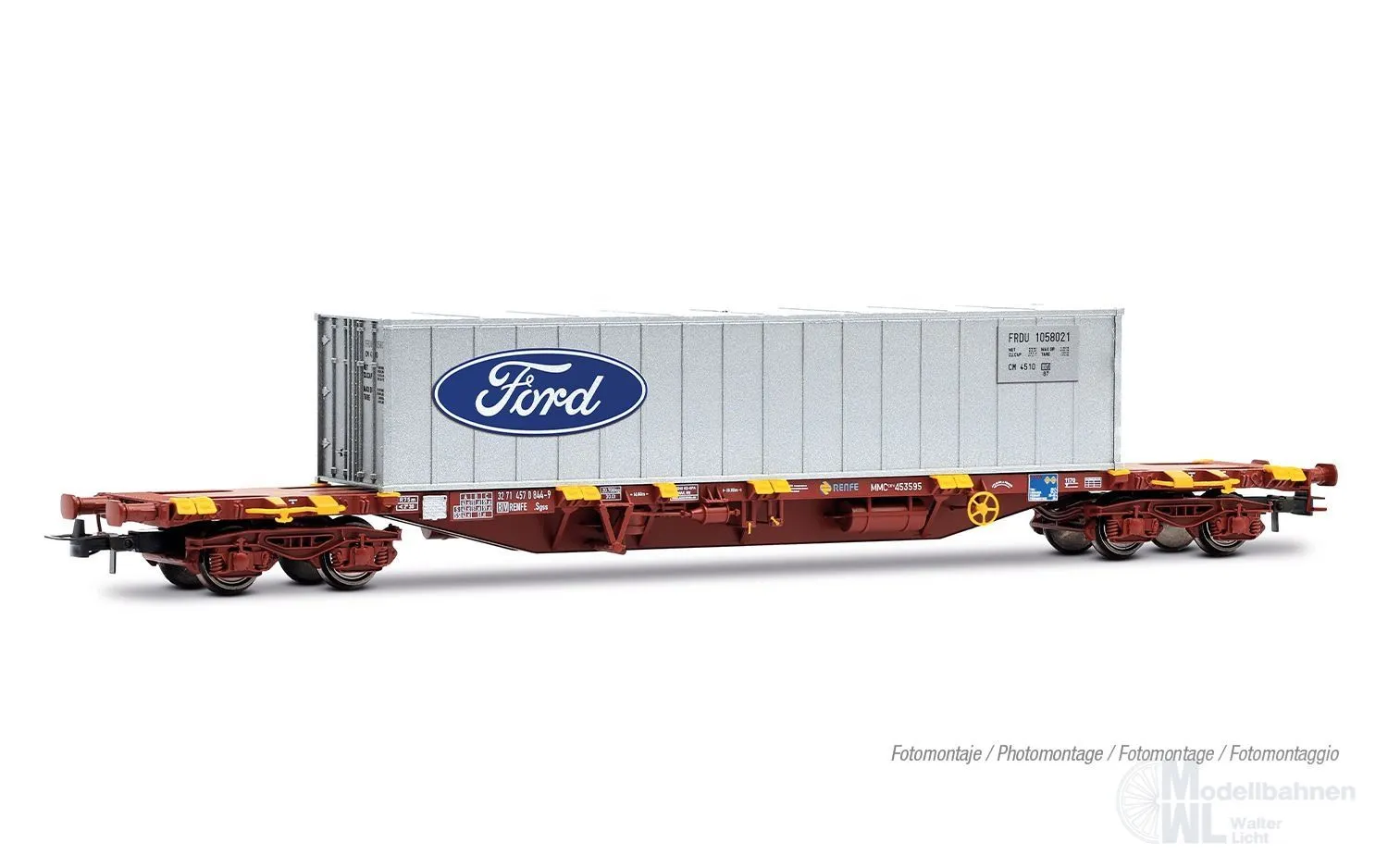
RENFE, MMC3-Containerwagen, beladen mit 40'-Container „Ford“, oxidrote Farbgebung RENFE, MMC3 container wagon, loaded with 40' metallic container "Ford", oxid red livery, ep. IV Epoche: IV Länge über Puffer: 226 mm
Vorbestellung
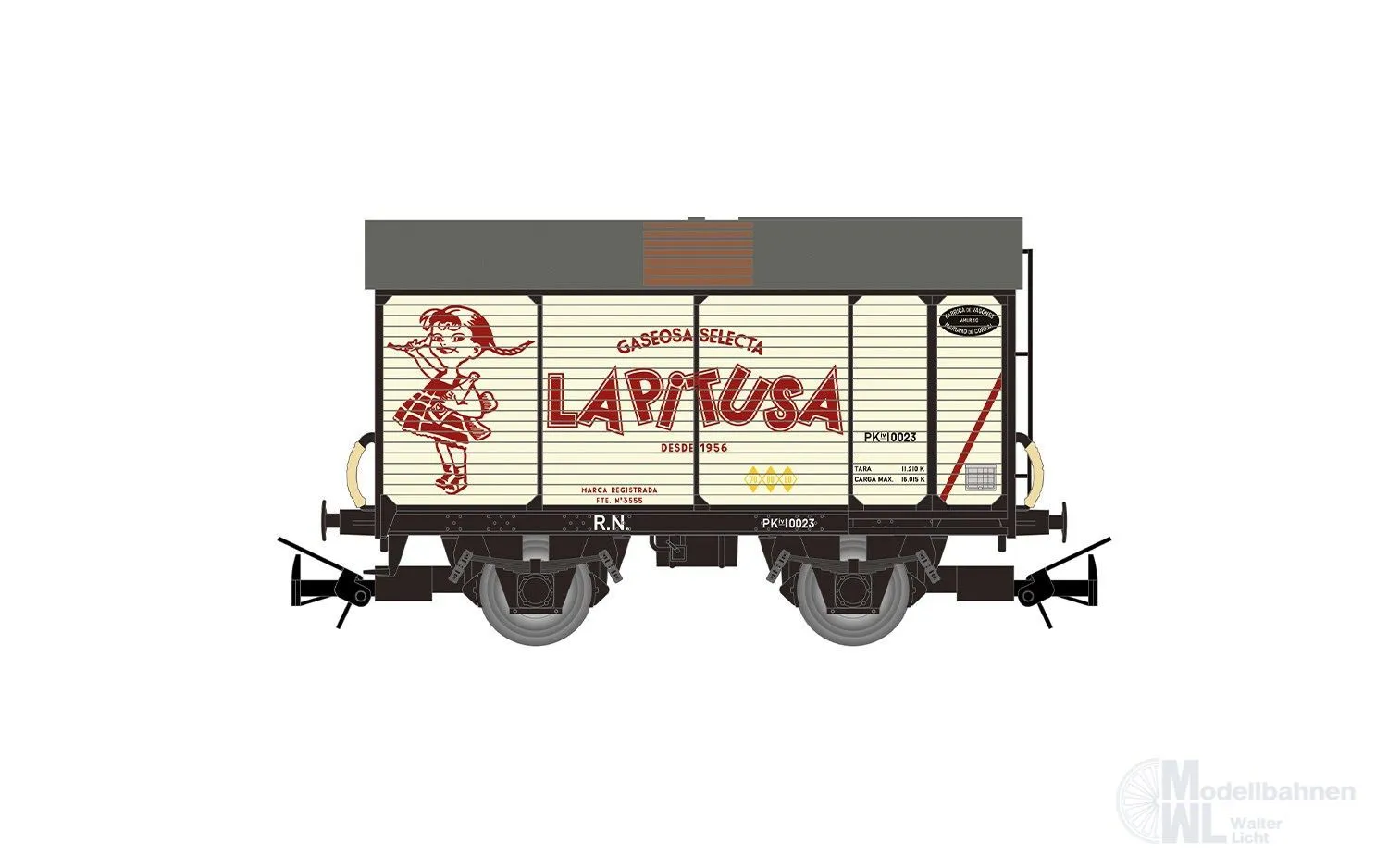
R.N., 2-achs. J-Güterwagen, Lackierung „La Pitusa“ RN, 2-axle J wagon, La Pitusa livery, ep. III Epoche: III Länge über Puffer: 88 mm
Vorbestellung

Die Loks der V160-Familie / Baureihe 216/218 erfreuten sich bei der Staatsbahn mehr als drei Jahrzehnte großer Beliebtheit. Die zuverlässigen Maschinen waren im gesamten Bundesgebiet auf nahezu allen nicht elektrifizierten Haupt- und Nebenbahnen zu finden. Nachdem die Staatsbahn sich von einigen ihrer hoch belasteten Vierachser trennte, schlugen viele Privatbahnen und Baulogistiker zu und erwarben Loks aus dem Staatsbahnbestand. 216 068 gelangte über mehrere Stationen ins Aw Bremen, wo sie 2004 einen neuen Dieselmotor des Typs Caterpillar 3516 erhielt. Bei Baulogistiker Wiebe führt man sie als Lok 11 (Artikel-Nummer 31003), schrieb aber die eigentlich falsche Betriebsnummer 216 012 an. Die Lok kommt bundesweit zum Einsatz, was auch für die verkehrsblaue 218 055 der Press gilt (Art.-Nr. 31009). Hinter dieser Nummer steckt die ehemalige DB-Lok 218 458. Die derzeit fünf betriebsfähigen 218 der in Jöhstadt ansässigen Privatbahn nehmen alle Züge an den Haken, die gerade anfallen. Von bunten Silberlingen über Doppelstock- und IC-Garnituren, Kesselwagen-Ganzzügen oder gemischten Güterzügen lassen die stets gepflegten Vierachser keinen Zug stehen. Noch zu DB-Zeiten hatte 218 055 einen neuen Dieselmotor MTU 16 V 4000 R erhalten. Beide Motoren hatten eine andere Abgasführung, als ihre Vorgänger, weshalb im Original, wie bei den ESU-H0-Modellen neue Dachhauben entwickelt wurden. Mit den Formvarianten der Wiebe- und der Press-Lok halten auch die passenden topaktuellen Sounds Einzug. Eine weitere bestens gepflegte 218 stellt die 218 396 der Brohltalbahn dar (Art.-Nr. 31008). Die in den schicken Unternehmensfarben der Bahngesellschaft lackierte 218 wird noch von einem MTU-TB11-Motor befeuert, der sich akustisch stark von den beiden anderen Motoren unterscheidet. Auf vielfachen Wunsch haben wir auch die V160-Versionen 31001 (216 100, ozeanblau/Beige) und 31002 (216 156, altrot) nochmals aufgelegt. Neu konstruierter Rahmen und Gehäuse Aufbau und Rahmen aus Metall Durchbrochene Lüftergitter im Dach, geätzte Laufgitter Mehrteilige Drehgestell-Blenden mit echten Stahlfedern Separat angesetzte Griffstangen und Trittstufen Gefederte Puffer Kupplung in kulissengeführtem NEM-Schacht Fünfpoliger ESU-Motor mit zwei Schwungmassen Antrieb über Kardan-/Schneckengetriebe auf drei Achsen, zwei Haftreifen LokSound 5 Decoder für DCC-, Motorola®-, M4- und Selectrix-Betrieb Selbstständige Anmeldung an Zentralen mit RailComPlus®- oder mfx-Funktionalität PowerPack-Speicherkondensator für unterbrechungsfreie Spannungsversorgung Lautsprecher mit großer Schallkapsel für höchsten Soundgenuss Universalelektronik mit Steckschleifer und Schiebeschalter zum Umschalten zwischen Zweileiter- und Mittelleiterbetrieb Raucherzeuger synchron zum Loksound Digitalisierte Originalgeräusche einer 216 Sensorgesteuerte Kurvengeräusche bei langsamer Kurvenfahrt Fahrtrichtungsabhängiger Lichtwechsel, zugseitiges Spitzensignal abschaltbar, Rangier-, Führerstand und Führerpultbeleuchtung Bremsfunken beim scharfen Bremsen Pipette zum Befüllen des Raucherzeugers und eine zweite Kupplung liegen bei Befahrbarer Mindestradius = 360 mm Länge über Puffer = 184 mm
Lieferbar